
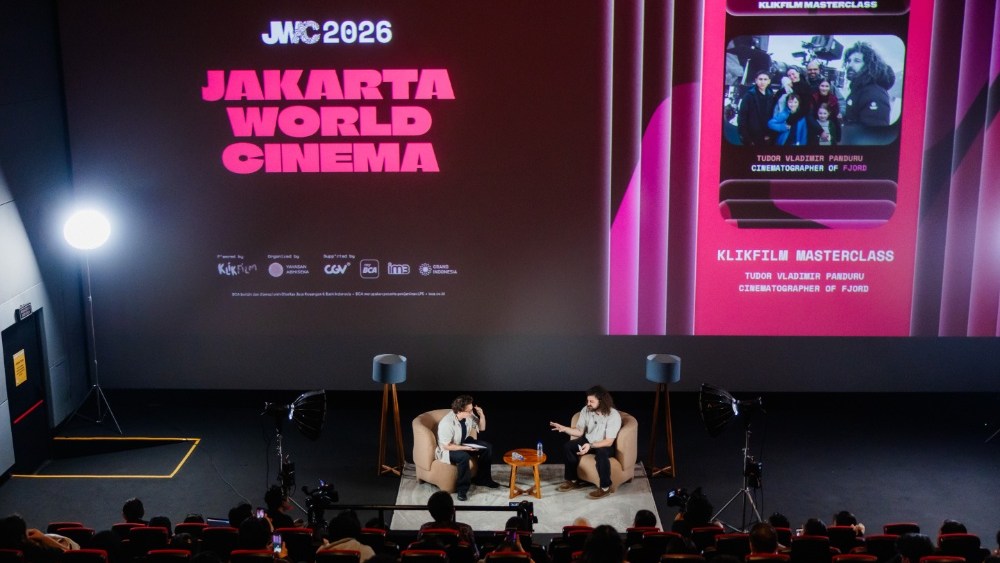
Renowned cinematographer Tudor Vladimir Panduru recently took the stage at the Jakarta World Cinema masterclass to provide an in-depth look at his technical process. Known for his frequent collaborations with director Cristian Mungiu, Panduru offered attendees a rare glimpse into the rigorous preparation required for modern independent cinema.
During the event, the cinematographer focused heavily on the mechanics behind complex sequences. He specifically addressed the challenges of executing long takes, which have become a hallmark of his visual style in recent years. Panduru explained that these extended shots require not only precise camera movement but also a deep, synchronized understanding between the director, the actors, and the entire technical crew.
The discussion highlighted his work on notable projects, including the film R.M.N., which has received critical acclaim for its stark and immersive visual language. Panduru noted that the process is often more about restraint than spectacle. He described the necessity of maintaining a naturalistic aesthetic that supports the narrative without distracting the audience from the emotional core of the story.
Reflecting on the technical evolution of his career, Panduru emphasized the importance of adaptability. He suggested that “cinematography is about finding the right balance between the technical requirements and the artistic vision of the director” during the session. This philosophy has defined his approach to projects like Fjord, where environmental constraints often dictate the limitations of the camera work.
Attendees at the masterclass, which included aspiring filmmakers and industry professionals, engaged with Panduru regarding the shift toward digital cinematography. He spoke about how digital tools have changed the pacing of production, allowing for more experimentation while still requiring the discipline of traditional film methods.
The event served as a testament to the growing influence of international cinematographers in global cinema discussions. By breaking down the complexities of his craft, Panduru provided a roadmap for how visual storytelling continues to evolve in the contemporary era. His insights underscore the collaborative nature of filmmaking and the enduring power of the long take as a narrative device in modern cinema.
–– –– –– ––
Note: Some parts of this article are AI-generated. While we refine all content, AI can make mistakes. Please verify critical information.