
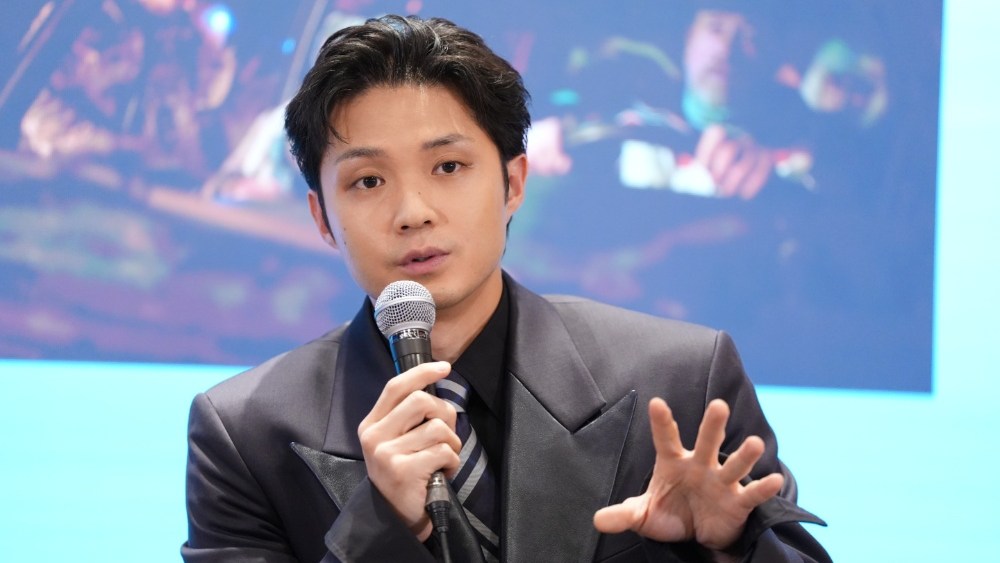
Japanese actor Isomura Hayato, widely recognized for his performance in the hit series Alice in Borderland, recently shared his perspective on the evolving landscape of the domestic film industry. In a candid discussion, the performer addressed the professional risks he has navigated, including roles he was explicitly warned to avoid to protect his career trajectory.
Isomura highlighted the importance of artistic autonomy, noting that he often prioritizes projects that challenge his range rather than those that simply offer commercial stability. Beyond his personal acting choices, he has taken on a role as a judge for the Tokyo Ethical Film Award, an initiative designed to promote higher standards and social responsibility within the creative sector.
A central theme of his recent commentary is the precarious financial state of local productions. Isomura argues that the industry is struggling to compete globally without systemic intervention. He stated that “Japanese cinema needs government backing” to ensure that filmmakers have the resources necessary to reach international audiences effectively.
The actor emphasized that while independent creators continue to produce high-quality work, the lack of robust infrastructure limits their potential for long-term growth. He expressed concerns that without increased state subsidies and institutional support, Japan risks losing its competitive edge in the global entertainment market.
Isomura also reflected on the changing expectations of audiences, suggesting that modern viewers demand more nuanced storytelling. By leveraging his platform, he hopes to encourage a shift toward more sustainable production models that prioritize both cultural value and economic viability.
As the industry faces mounting pressure from international streaming platforms, Isomura’s advocacy for structural reform resonates with many in the creative community. His call for increased government involvement suggests a growing consensus among top-tier talent that private investment alone is insufficient to sustain the future of Japanese cinema.
Ultimately, Isomura remains committed to balancing his professional acting commitments with his advocacy work. He believes that by fostering a more supportive environment for filmmakers, the nation can better showcase its unique narrative voices to the world while providing artists with the security they need to take creative risks.
–– –– –– ––
Note: Some parts of this article are AI-generated. While we refine all content, AI can make mistakes. Please verify critical information.