
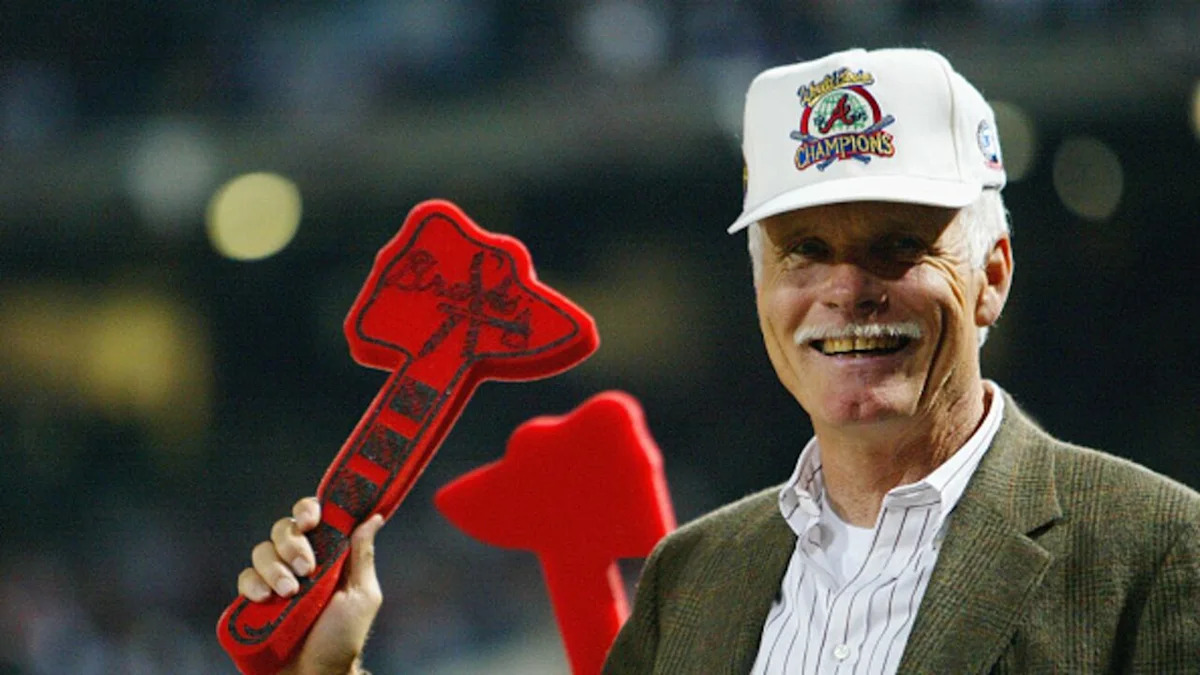
The National Baseball Hall of Fame has officially announced its candidates for the upcoming Contemporary Era ballot, which includes media mogul and former Atlanta Braves owner Ted Turner.
This recognition acknowledges individuals who have made significant contributions to the game of baseball outside of the traditional player roles.
Turner is “named on Baseball Hall of Fame’s Contemporary Era ballot” as part of a group of eight candidates being considered for induction.
The list focuses on executives, managers, and umpires whose careers have left a lasting mark on the professional landscape of the major leagues.
Turner is best remembered for his ownership of the Atlanta Braves, a franchise he purchased in 1976 and transformed into a national powerhouse.
By utilizing his cable television reach through TBS, Turner pioneered the concept of a superstation, which broadcast Braves games to a nationwide audience for decades.
This strategy significantly expanded the team’s fan base and played a pivotal role in the broader commercialization of professional baseball during the late twentieth century.
The Contemporary Era committee will meet in December to deliberate on the candidates and determine who will earn a spot in Cooperstown.
To be elected, a candidate must receive votes from at least 75 percent of the committee members.
Joining Turner on the ballot are several other influential figures, including former managers and executives who helped shape the modern era of the sport.
The selection process is designed to ensure that those who significantly influenced the game through leadership and innovation are properly recognized by the institution.
Should Turner be elected, he would be honored for his unique position as both an owner and a visionary who bridged the gap between local sports broadcasting and national media dominance.
The Hall of Fame is expected to announce the results of the voting process shortly after the committee concludes its winter meetings.
Fans and analysts alike are closely watching this ballot, as it represents a chance to validate the immense impact of television broadcasting on the popularity and financial growth of baseball throughout the modern era.
–– –– –– ––
Note: Some parts of this article are AI-generated. While we refine all content, AI can make mistakes. Please verify critical information.