
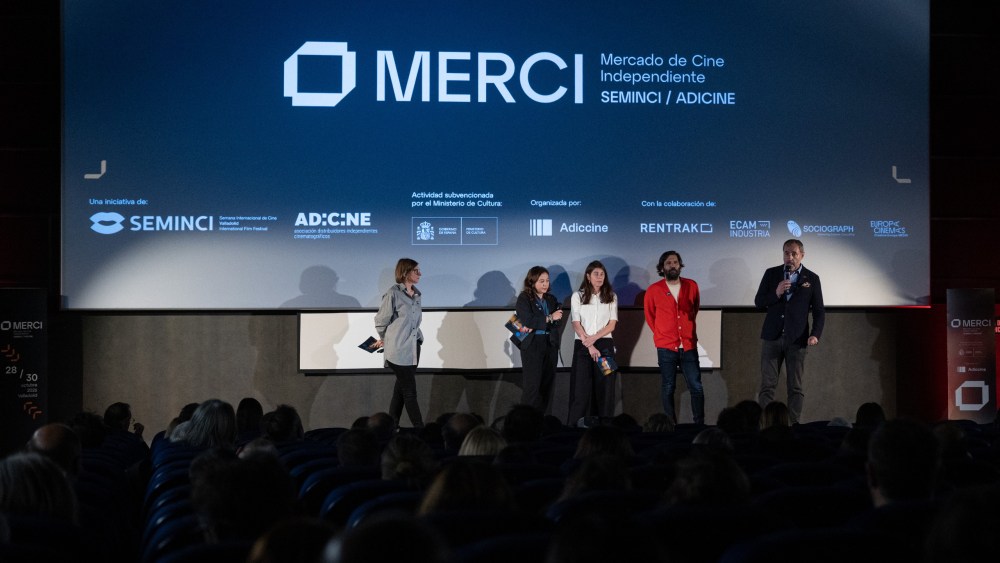
The recent Merci Market held in Valladolid has cast a spotlight on the evolving landscape of independent film distribution within Spain. Industry professionals gathered to discuss a notable surge in local production and distribution efforts, which have increasingly captured the attention of both domestic and international audiences. This growth reflects a vibrant creative sector that continues to push boundaries despite a shifting media environment.
However, the event also served as a platform to address deep-seated structural issues that threaten the long-term sustainability of these projects. Experts noted that while the volume of content is rising, the infrastructure required to support these films remains fragile. Many distributors are struggling to secure adequate screen time in a market dominated by large-scale commercial blockbusters. The situation is further complicated by rising operational costs and the rapid transition toward digital platforms, which demand new strategies for audience engagement.
Reflecting on these difficulties, industry analysts noted that “large challenges remain” for those attempting to navigate the current cinematic climate. The conversation in Valladolid underscored the necessity for better collaboration between public institutions and private entities to ensure that independent voices are not drowned out by market pressures. Participants emphasized that without targeted policy interventions and increased financial support, the recent momentum could easily stall.
The current state of Spanish distribution is characterized by a paradox of high artistic output coupled with limited commercial reach. As the industry looks toward the next fiscal year, the consensus among attendees at the Merci Market is clear. There is an urgent need for innovative distribution models that prioritize accessibility and visibility for smaller films. Addressing these systemic gaps is vital for maintaining the cultural diversity that makes Spanish cinema a unique force on the global stage. Stakeholders are now calling for a comprehensive review of existing distribution frameworks to better align with contemporary viewing habits and economic realities, ensuring that the recent surge in activity translates into lasting success for filmmakers across the nation.
–– –– –– ––
Note: Some parts of this article are AI-generated. While we refine all content, AI can make mistakes. Please verify critical information.