
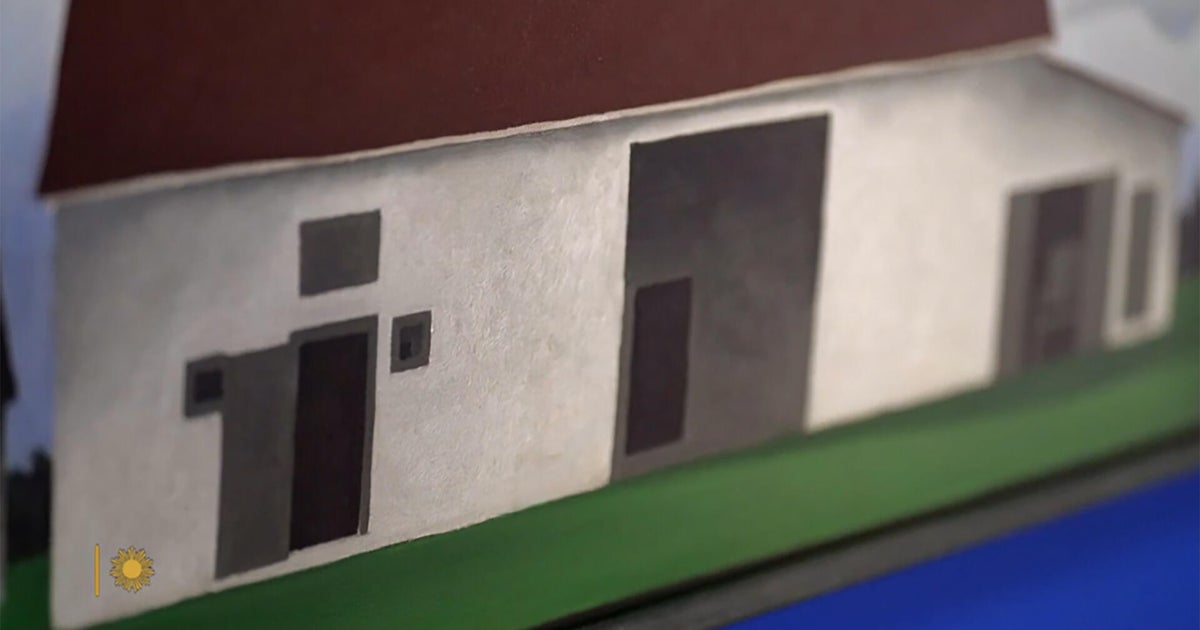
Georgia O’Keeffe, widely celebrated for her expansive floral canvases and desert landscapes, maintained a complex relationship with the architectural forms of the cities she inhabited. Throughout her career, O’Keeffe utilized her distinct vision to interpret skyscrapers and urban silhouettes, effectively bridging the gap between realism and abstraction.
Recent examinations of her work reveal that her approach to painting architecture was deeply influenced by the stark, geometric precision of the New York skyline during the 1920s. According to “O’Keeffe’s structural focus transformed rigid buildings into rhythmic, light-filled compositions”, the artist sought to capture the emotional weight of urban environments rather than their literal blueprints.
Her technique involved a careful manipulation of perspective, often cropping views of buildings to emphasize their soaring verticality or imposing shadows. This method allowed her to strip away the mundane details of city life, leaving behind essential shapes that mirrored the organic curves found in her botanical studies. By treating a skyscraper with the same reverence as a calla lily, she challenged contemporary viewers to reconsider the aesthetic potential of modern construction.
The artist’s transition from the bustling streets of Manhattan to the quiet expanses of New Mexico did not end her architectural explorations. Instead, she began to incorporate the adobe structures of the Southwest into her repertoire. She found a similar structural honesty in these ancient dwellings as she had in the towering steel frames of the North. Her ability to synthesize these disparate environments highlights a consistent artistic philosophy centered on simplification and clarity.
Critics note that O’Keeffe’s architectural works remain essential for understanding her broader contribution to American Modernism. By focusing on the interplay of light and shadow against man-made surfaces, she successfully elevated architecture from a mere backdrop to a primary subject of artistic inquiry. Her legacy continues to influence how modern painters interpret the built environment, encouraging a shift toward viewing cities as living, breathing entities. Through her lens, architecture was never static; it was a dynamic force that reflected the pulse of the changing century.
–– –– –– ––
Note: Some parts of this article are AI-generated. While we refine all content, AI can make mistakes. Please verify critical information.