
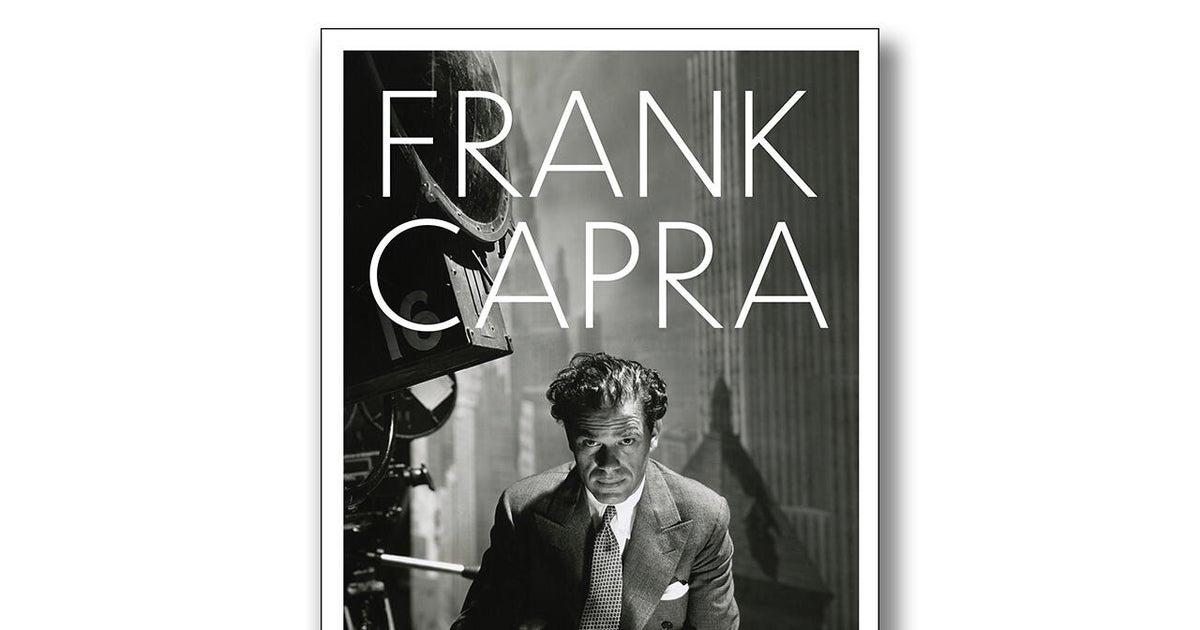
The cinematic landscape of the twentieth century remains deeply influenced by the work of Frank Capra, a subject recently revisited in the biography titled Frank Capra: A Life by Sam Wasson. As noted in recent “accounts of the director’s enduring career”, the book provides a comprehensive examination of the man behind iconic films like It’s a Wonderful Life. The narrative explores how Capra navigated the evolving studio system while maintaining a distinct vision that resonated with millions of American viewers during a transformative era of history.
Author Sam Wasson delves into the personal and professional tensions that defined Capra’s journey from an immigrant background to the pinnacle of Hollywood success. The text highlights how he balanced the idealism often found in his storytelling with the pragmatic realities of industry politics. Scholars have long debated the sincerity of the populist themes present in his work, and this latest volume seeks to provide context for those stylistic choices by grounding them in the director’s own lived experiences and private struggles.
Critics point out that the biography serves as a vital resource for understanding the complexities of the Golden Age of cinema. By utilizing previously untapped archival materials, Wasson constructs a portrait that acknowledges both the technical brilliance and the inherent contradictions of Capra’s artistic output. The book does not shy away from the darker aspects of his personality or the fractures that occurred within his creative partnerships over several decades of production.
As audiences continue to revisit his filmography today, this biography offers a necessary framework for evaluating his contribution to the medium. It challenges readers to consider how the myth of the American dream was constructed and subsequently deconstructed through the lens of one of its most prominent architects. Ultimately, the work stands as a testament to the lasting power of Capra’s voice, ensuring that his influence remains a subject of serious academic and public discourse for future generations of filmmakers and historians alike.