
President Donald Trump will meet with Danish and Greenlandic leaders to formally sign an agreement bolstering the U.S. military presence in the Arctic.
The strategic arrangement concludes months of diplomatic tension across the transatlantic alliance following intense negotiations over northern defense infrastructure.
Anonymous sources familiar with the negotiations disclosed that the accord grants full operational control over two additional installations beyond Pituffik Space Base.
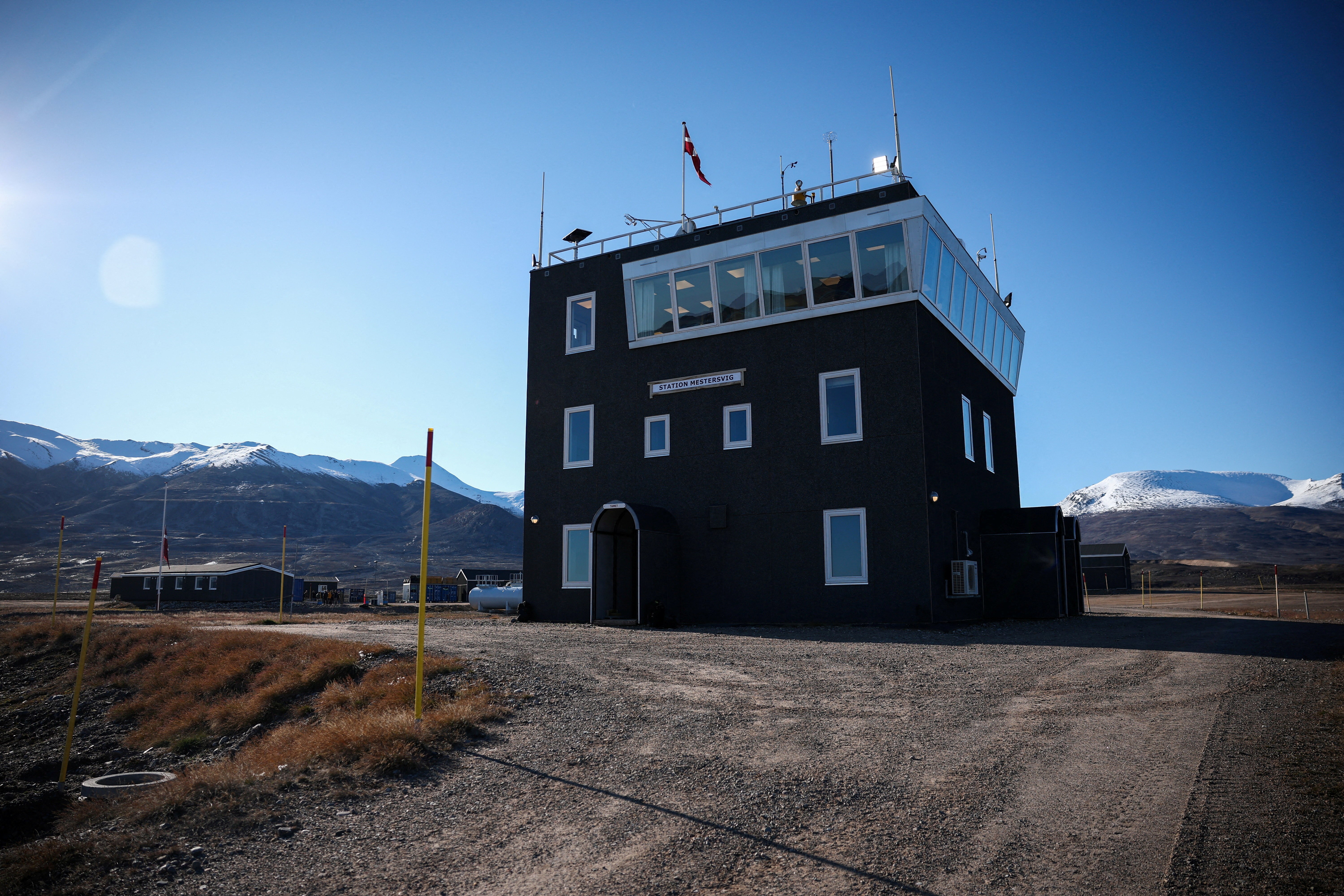
The expanded footprint includes Narsarsuaq, a former airbase with a dwindling local population, alongside Mestersvig, an outpost used by elite dog sled units.
Addressing the scope of the agreement, Trump declared that the country secured “permanent control over security, and all other needs, in Greenland” per Reuters.
Danish officials confirmed the pact while maintaining that the framework fully respects kingdom sovereignty and regional self-determination rights.
Foreign Minister Lars Lokke Rasmussen highlighted that the agreement transitions regional defense responsibilities under broader NATO collective surveillance.
Tensions previously flared when Greenlandic residents gathered outside the consulate protesting that the Arctic island “is not for sale.”
The current pact represents the first major expansion of American military infrastructure in the region since the conclusion of the Cold War.
During the height of midcentury geopolitical rivalry, federal forces maintained 17 installations and more than 10,000 personnel throughout the territory.
Uncertainty remains regarding whether the newly finalized terms modify the existing 1951 bilateral defense treaty or establish an entirely separate operational framework.
Although the deal steps back from earlier proposals of land acquisition, it significantly reinforces Western military posture within strategic polar corridors.
Formal documentation setting out exact operational boundaries is expected to be published following the ceremonial signing ceremony in Washington.
Officials from all participating governments expressed confidence that unified defense arrangements will enhance long-term stability across North American approach routes.