
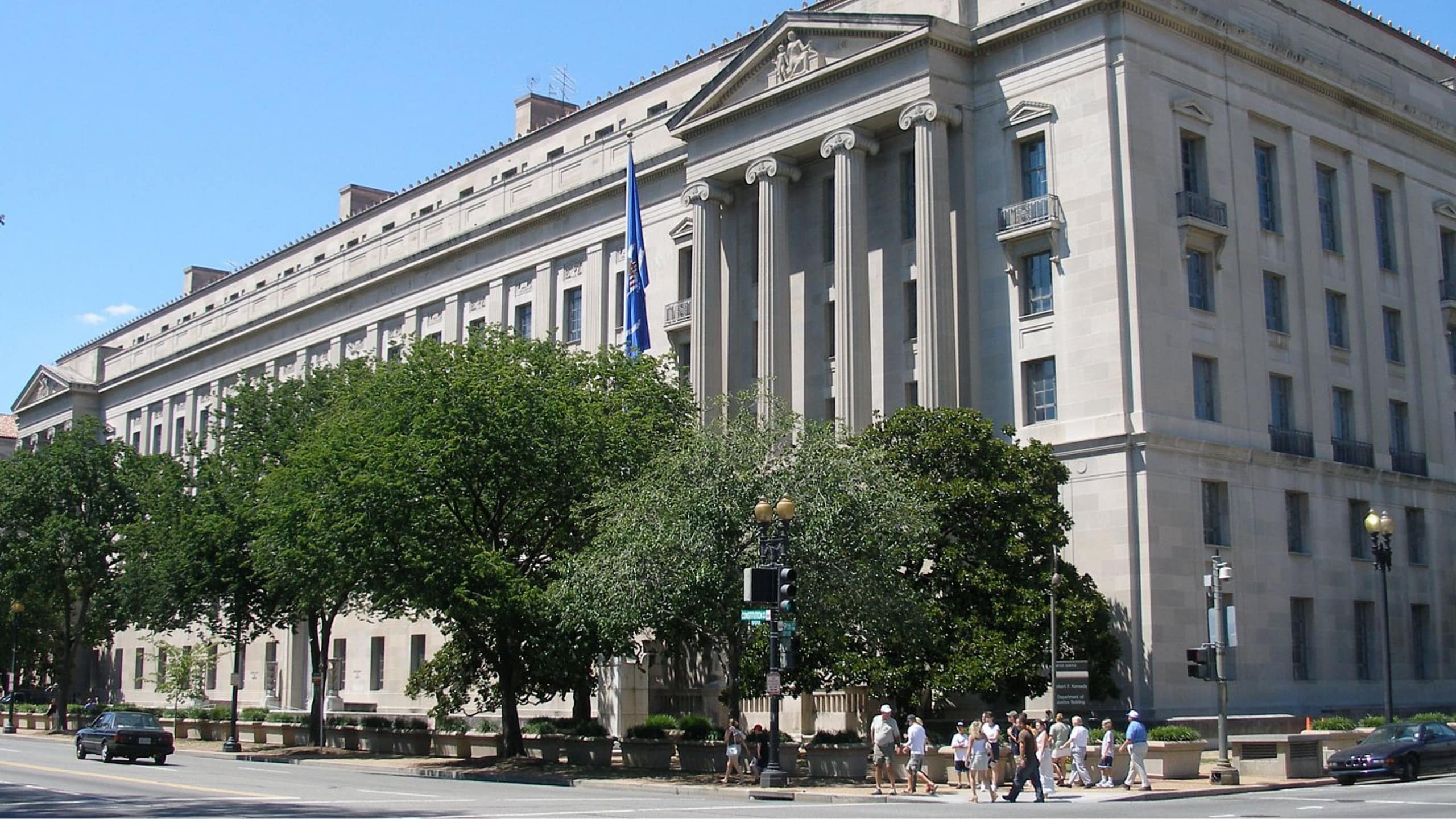
The Department of Justice filed a lawsuit against the state of Colorado for providing in-state tuition to illegal aliens.
Federal officials allege that Colorado laws violate congressional mandates by prioritizing illegal aliens over American citizens.
The complaint filed by the DOJ claims the state’s tuition policies unconstitutionally discriminate against U.S. citizens.
According to federal prosecutors, American citizens are not afforded the same reduced rates or scholarships given to illegal residents.
The Department of Justice argued that such laws create incentives for illegal immigration.
These benefits reward illegal aliens for breaking national laws while excluding eligible U.S. citizens, the complaint alleged.
The lawsuit specifically challenges state laws that grant reduced tuition and financial aid regardless of lawful status.
Associate Attorney General Stanley E. Woodward, Jr. provided context on the decades of federal law governing education benefits.
“For three decades Congress has made clear that states cannot provide education benefits to illegal aliens unless those same benefits are available to all American citizens,” Woodward said.
Woodward further stated that Colorado is subsidizing education for illegal aliens at the expense of the taxpayer.
The associate attorney general noted that the department will continue its efforts until illegal aliens no longer receive benefits denied to citizens.
Woodward emphasized that the Department of Justice is working to fulfill a promise that illegal residents will not receive preferential treatment.
Assistant Attorney General Brett A. Shumate of the Civil Division also commented on the fundamental legal issue at hand.
“This is a simple matter of federal law: colleges cannot provide benefits to illegal aliens that they do not provide to U.S. citizens,” Shumate said.
Shumate added that the DOJ will not tolerate American students being treated as second-class citizens within their own country.
The United States government is seeking an injunction to stop Colorado from enforcing these specific statutes.
If successful, the injunction would block colleges from providing in-state tuition to aliens regardless of their lawful presence.
The legal action also seeks to prevent Colorado from offering financial assistance and scholarships to illegal aliens.
This case represents the 14th lawsuit brought by the DOJ to challenge in-state tuition for illegal aliens.
According to the Department of Justice, four similar lawsuits in Texas, Kentucky, Oklahoma, and Nebraska have already been won.
Courts in those states declared the laws unconstitutional and issued permanent injunctions against them.
The DOJ reported that multiple other lawsuits remain pending in states across the country, including Illinois and California.
Officials also listed Minnesota, Virginia, New Jersey, Kansas, Massachusetts, Rhode Island, and Maryland as states with pending litigation.
The Office of Public Affairs announced that these legal challenges are part of a broader effort to ensure federal law is followed regarding state benefits.
The department maintains that providing these benefits to illegal residents places a financial burden on American taxpayers.
Federal officials noted that the Fifth Circuit has previously issued orders enjoining analogous laws in other jurisdictions.
The DOJ expects the lawsuit against Colorado to follow the precedent set by previous court victories for the American people.
This litigation follows other recent department actions, including a challenge to Milwaukee’s mask ban and identification requirements.
The department also recently announced a major settlement involving healthcare costs for the Alaska Native Tribal Health Consortium.
Officials stated that the Civil Division and the Office of the Associate Attorney General are spearheading the Colorado case.
Further developments are expected as the Department of Justice continues to challenge state-level immigration policies.