
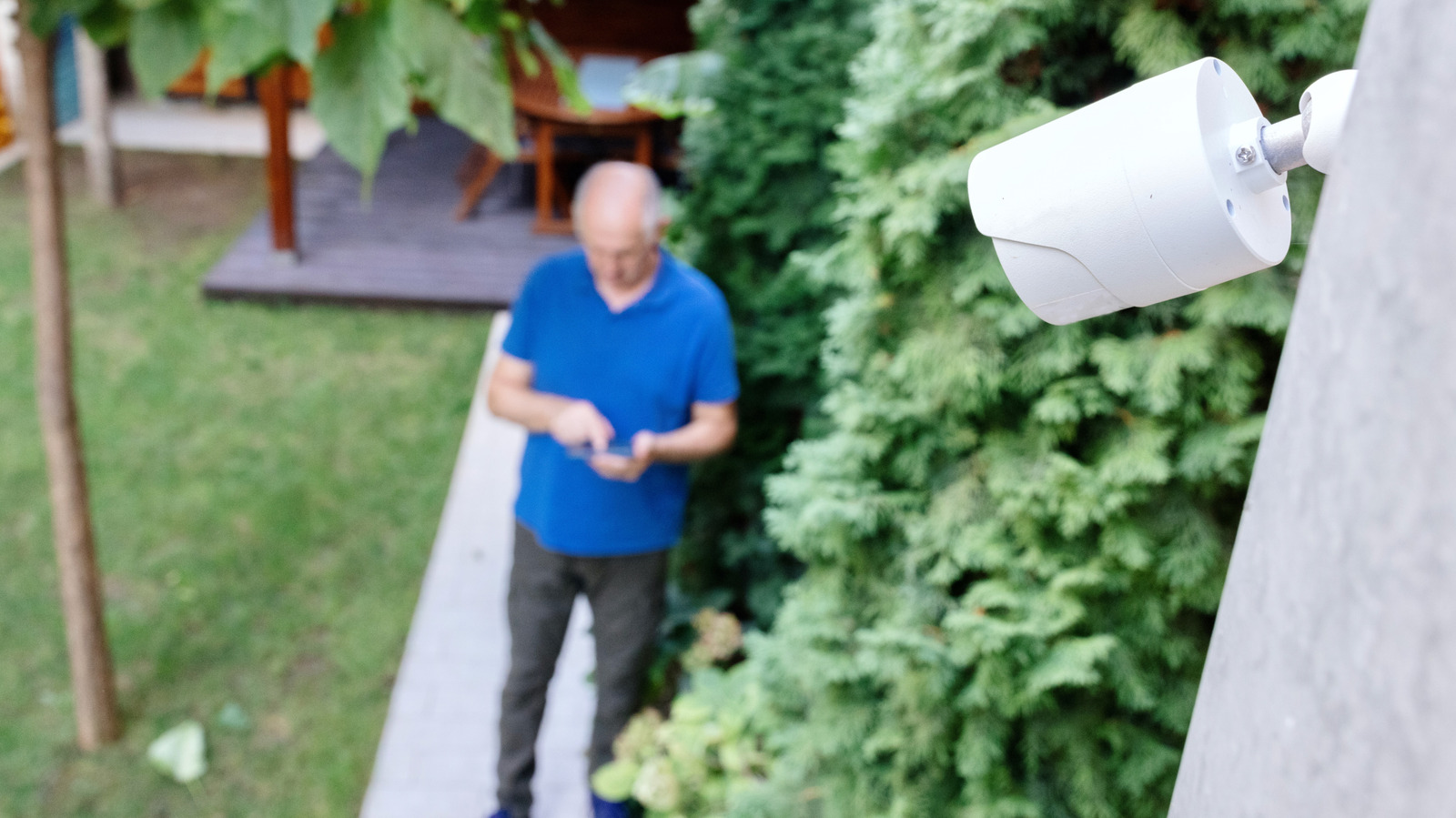
Deciding on the right home security system requires a careful evaluation of specific residential needs and monitoring goals.
Consumers often find themselves choosing between a dedicated security camera and a video doorbell when attempting to bolster their property protection.
Check Your Amazon Prime Eligibility (Without Leaving This Page)
Select your category below to unlock your specific free trial and discounted membership rate:
Prime for Young Adults
Included with Prime for Young Adults:
- Fast, Free Delivery: Unlimited Same-Day, One-Day, and Two-Day Delivery on millions of items.
- Unlimited Streaming: Prime Video with award-winning Originals, movies, and live sports.
- $0 Food Delivery Fees: Free Grubhub+ membership included (save ~$120/year).
Amazon Prime (Standard)
Included with Amazon Prime:
- Fast, Free Delivery: Unlimited Same-Day, One-Day, and Two-Day shipping options.
- Instant Entertainment: Award-winning TV shows, movies, music, and photo storage.
- Full Access to Alexa+: AI assistant for entertainment, deals, and smart home tracking.
Amazon Prime Access
- Full Prime Benefits: Free shipping, Prime Video, and exclusive shopping deals.
- No Long-Term Commitment: Cancel or pause membership anytime.
Experts suggest that the decision should primarily depend on the specific areas a resident intends to monitor throughout their property.
Beyond physical coverage, the choice frequently hinges on the technical requirements for data management and digital preservation.
Prospective buyers are encouraged to consider whether they require local storage options for their recorded footage, “if you’re trying to decide between a security camera and a video doorbell, consider what areas you want to monitor and whether you want local storage,” reported Engadget.
This fundamental distinction between the two devices often dictates which hardware will provide the most effective solution for an individual household.
While video doorbells typically focus on the entry point of a residence, standalone security cameras offer more versatility regarding placement and field of view.
The availability of local storage remains a critical factor for users who prefer keeping sensitive video data offline rather than relying exclusively on cloud-based subscription services.
As the market for smart home security continues to expand, understanding these core differences helps homeowners avoid unnecessary expenditures while meeting their safety objectives.
Ultimately, the most suitable device depends on whether the priority is monitoring a specific entryway or observing a broader area of the home environment.
By assessing both the physical layout of the property and the desired methods for data retention, residents can make an informed decision that aligns with their security expectations.
This objective approach ensures that the selected technology serves its intended purpose effectively without adding unnecessary complexity to the home monitoring experience.
Whether opting for a doorbell or a camera, the decision rests on balancing surveillance coverage with the practicalities of storage management.