
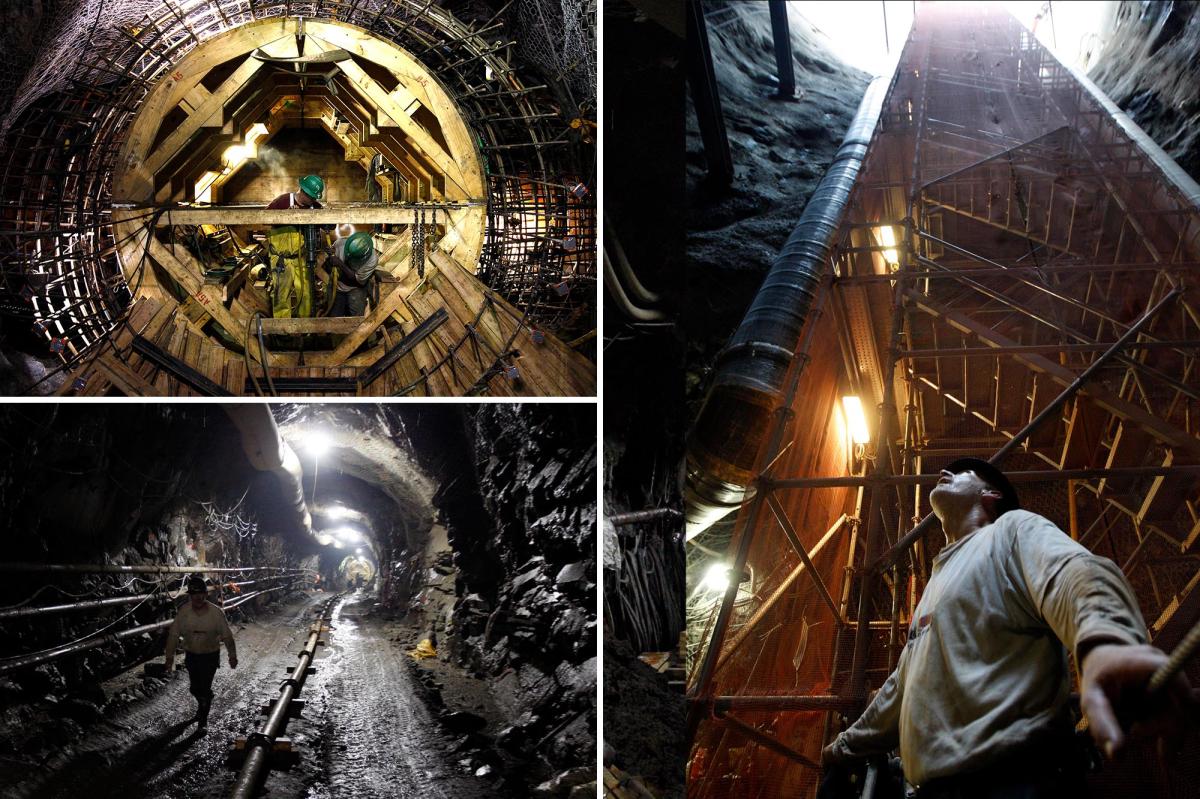
For 150 years, the workers known as Sandhogs have played a critical role in the development of New York City infrastructure.
Members of Local 147 have spent over a century laboring underground to construct the essential networks that keep the city running.
These laborers are responsible for digging the vital subways, bridges, and water tunnels that serve millions of residents.
The work is inherently dangerous, requiring crews to risk their lives in challenging subterranean environments.
The history of the union is deeply intertwined with the physical expansion of the city itself.
The labor performed by these individuals remains a foundational element of the region’s civil engineering projects.
According to “the report from the New York Post”, these workers have consistently faced extreme hazards to complete their assignments.
The endurance of the union highlights the ongoing necessity of manual labor in maintaining the city’s complex transit and utility systems.
While technology has evolved, the core mission of the Sandhogs has remained focused on the difficult excavation required for urban growth.
As noted in “coverage by the New York Post”, the dedication of these laborers has been a constant for one and a half centuries.
The legacy of Local 147 continues to define the subterranean landscape of New York City today.
Their contributions are measured in the miles of tunnels that support the daily operations of the metropolitan area.
The resilience of the workforce is a testament to the demanding nature of the construction industry in a dense urban setting.
The organization continues to uphold its long-standing tradition of service to the city’s infrastructure needs.
The history of these workers serves as a reminder of the human effort behind the city’s most vital systems.