
Tech leaders in San Francisco are promoting a vision of a future serviced entirely by machines to provide abundance.
While the city has not reached a fully automated state, residents can currently experience various robotic services in their daily routines.
A day spent testing these technologies highlights both the convenience and the limitations of a machine-run environment.
At home, automated vacuums like the $1,500 Matic model offer scheduled cleaning, though they struggle with complex furniture layouts and tight crevices.
Fitness enthusiasts can utilize the Aescape robot masseuse at an Equinox gym.
The system allows users to control pressure and ambiance via a touchscreen, though it lacks the precision of a human technician, “I couldn’t tell it exactly where to go,” reported Business Insider.
In the retail and food sectors, automation is also gaining a foothold.
Artly coffee shops use robot arms to prepare drinks, with human employees remaining on-site to troubleshoot errors and manage supplies.
Meanwhile, a boutique operated by an artificial intelligence named Luna has faced financial difficulties.
The store, managed by Andon Labs, has lost nearly $97,000 since April.
Employee Felix Carson noted that the AI boss is relatively lenient regarding leave policies, though the work can be isolating, “The toughest part of the job, he said, was managing boredom,” according to Business Insider.
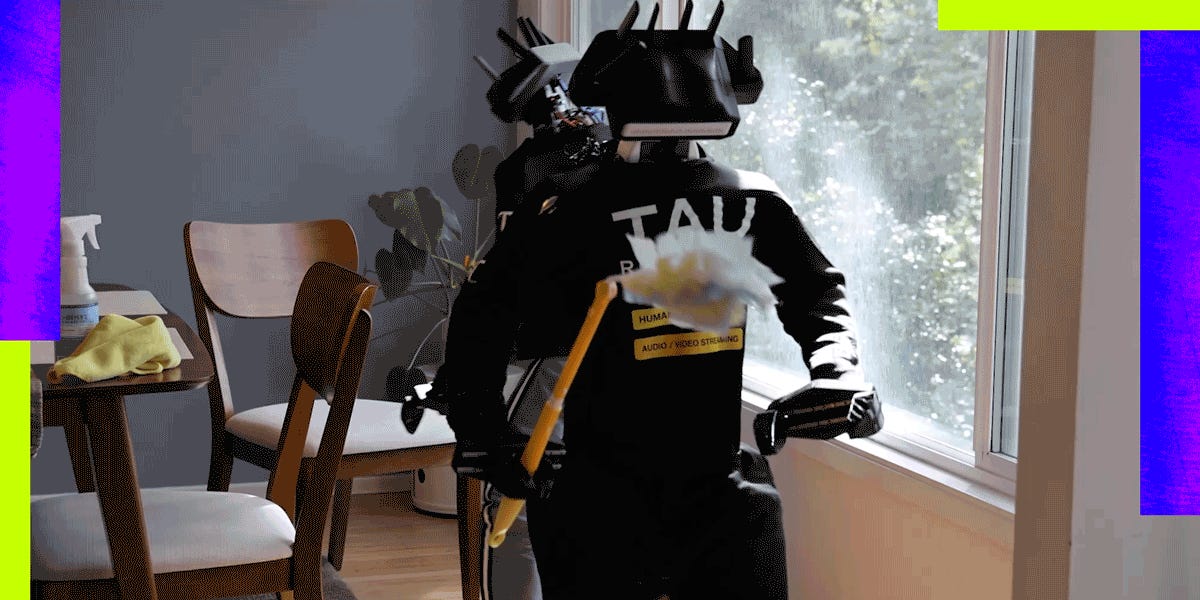
The city also sees companies like Tau Robotics attempting to automate delicate housework.
Despite the promise of a machine-run paradise, the current reality involves a mix of technological marvels and technical glitches.
Many systems still require human oversight to function reliably.
The integration of these robots into daily life suggests that while some tasks can be offloaded, the human element remains essential for troubleshooting and complex decision-making.
As these services evolve, the balance between efficiency and the need for human interaction continues to be a central point of discussion for the tech industry.