
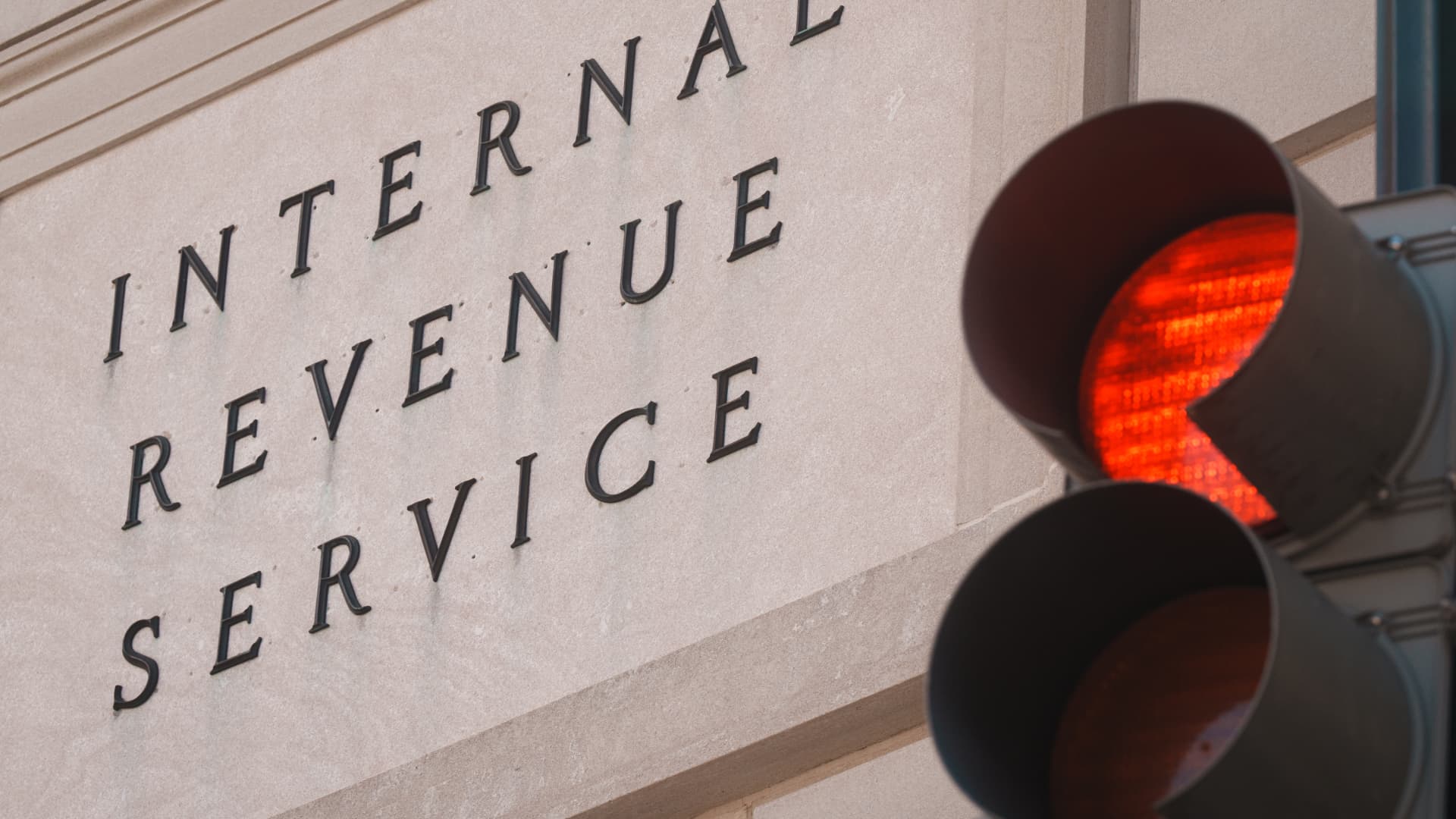
Retirees are facing a significant deadline regarding their retirement account withdrawals as the year draws to a close.
Financial analysts indicate that the busy holiday season may lead many individuals to overlook this essential requirement.
Missing the designated deadline for these mandatory distributions could result in a tax penalty for account holders.
The urgency of the situation is highlighted in a recent report from “CNBC”.
According to the report, the timing of the holiday rush often distracts retirees from managing their financial obligations effectively.
The potential for a tax penalty remains a primary concern for those who fail to complete their required withdrawals on time.
Industry observers suggest that proactive planning is necessary to avoid these avoidable financial consequences during the end of the year.
Retirees are encouraged to review their account statuses promptly to ensure compliance with federal withdrawal mandates.
The information provided by “CNBC” serves as a reminder of the strict nature of these annual deadlines.
Financial professionals emphasize that oversight during this period can lead to unnecessary complications with tax filings.
The complexity of retirement accounts often requires careful attention to detail to prevent late filing issues.
As the deadline approaches, the pressure on retirees to manage their portfolios increases significantly.
Maintaining awareness of these requirements is essential for long-term financial stability during retirement years.
The current guidance suggests that those who have not yet initiated their withdrawals should act without further delay.
Failure to meet these obligations can result in penalties that diminish the overall value of retirement savings.
This situation serves as a critical warning for all account holders as they navigate the final weeks of the calendar year.
Staying informed remains the best defense against the risk of incurring unexpected tax penalties.
Retirees should consult their financial advisors if they have questions regarding their specific account requirements.
The situation remains a focal point for those monitoring retirement trends and regulatory compliance.