
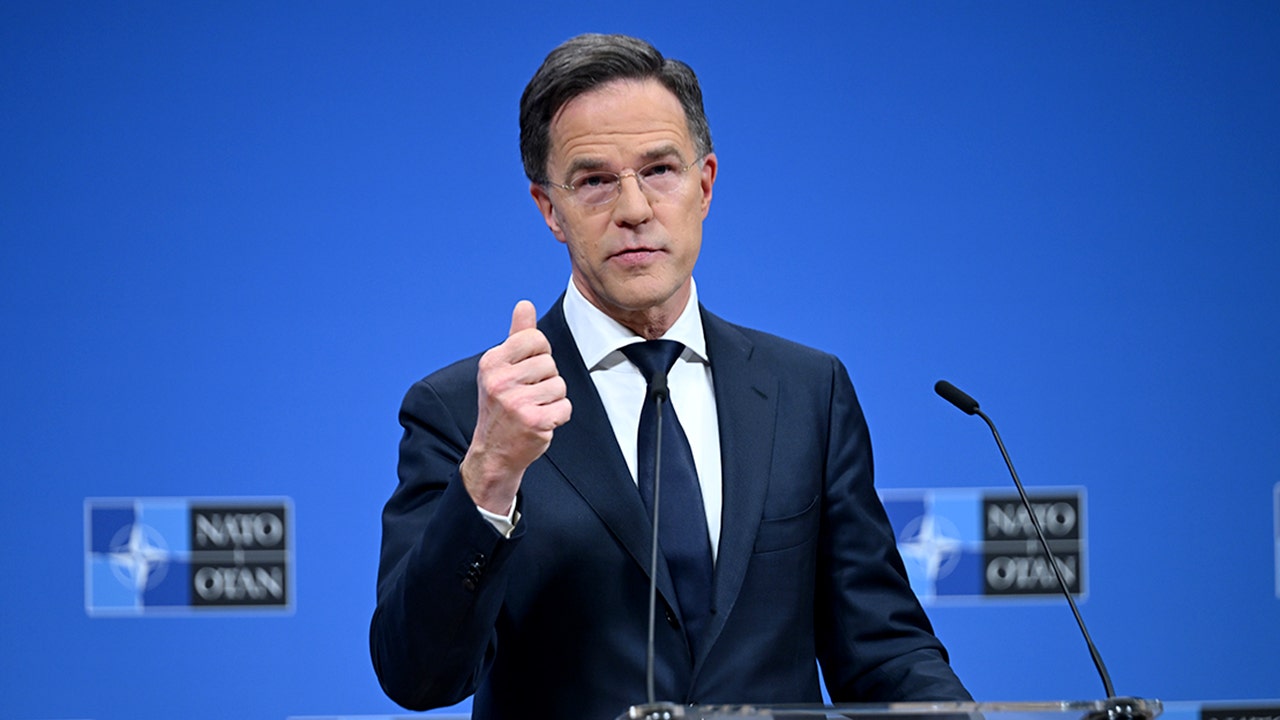
NATO Secretary-General Mark Rutte warned that establishing a separate European army could undermine the alliance’s ability to respond quickly to potential Russian aggression.
Speaking at the 72nd annual session of the NATO Parliamentary Assembly in Berlin, Rutte cautioned that competing command structures could delay critical decision-making during a crisis.
The official expressed concern that if Russia launched an attack, the alliance would spend weeks deciding on a response, which he suggested could be too late, according to Ukrainska Pravda.
Rutte pointed to the United States as a model for an integrated military force.
He argued that European nations would need to move past individual national forces to create a truly unified military structure.
The secretary-general noted that Russia’s expanding military production and cooperation with China, Iran and North Korea pose a long-term threat to the alliance.
He rejected the notion that only countries bordering Russia face a direct threat, emphasizing that Moscow’s long-range missiles place all European capitals at risk.
Rutte stated that every member is on the eastern flank, noting that missiles could reach cities like Lisbon or Rome shortly after hitting Warsaw or Helsinki, reported Fox News.
The warning comes as NATO plans to deploy early-warning aircraft to Poland to improve surveillance following reports that Russian missiles entered Polish airspace.
Polish Deputy Defense Minister Pawel Zalewski confirmed that the deployment of an Airborne Warning and Control System would provide deeper operational awareness for allied forces, according to Reuters.
Rutte also highlighted that Europe’s interconnected infrastructure, including energy grids and communication systems, remains vulnerable to interference.
He urged member states to prioritize civilian preparedness, citing northern European nations that have already begun educating residents on their roles during a potential conflict.
The secretary-general concluded that the entire society must be involved to ensure the alliance stays ahead of emerging dangers.