
Democratic lawmakers are moving to place universal healthcare proposals at the forefront of their legislative agenda as they prepare to take control of Congress in January.
The party plans to prioritize reversing recent Medicaid cuts and reviving tax credits for the Affordable Care Act within their first 100 days.
Incoming House Speaker Hakeem Jeffries outlined ambitious objectives, including lowering the Medicare eligibility age and adding benefits for dental, vision and hearing services.
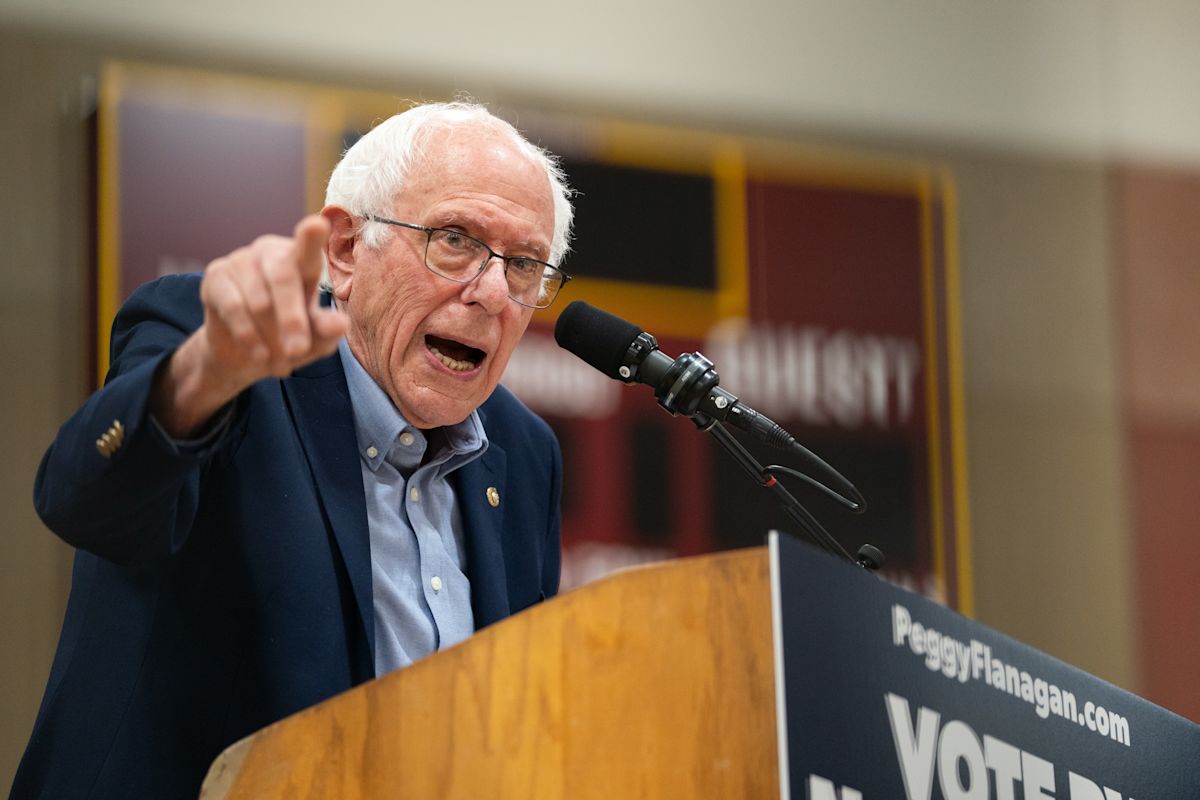
These initiatives reflect aspects of the Medicare for All platform championed by Sen. Bernie Sanders, who is set to lead the Senate health committee.
Former President Barack Obama encouraged incoming members to view the Affordable Care Act as a starting point rather than a final solution.
“But I was very explicit at the time. This is a starter home. It is not the answer,” he said.
“You should push further and get more,” he stated.
Public support for government involvement in healthcare remains high, with roughly 6 in 10 voters indicating that the federal government should play a larger role in providing coverage, according to The AP Voter Poll.
Despite this, Democratic leaders face potential obstacles, including the need for 60 votes to overcome filibusters in the Senate and the threat of a presidential veto from Donald Trump.
President Trump has expressed a willingness to engage in negotiations regarding healthcare legislation, suggesting that a compromise could be reached.
Advocates argue that pursuing these policies is a necessary step to address the urgency of healthcare affordability for the American public.
While internal debates regarding costs may arise among moderate members, party leadership appears confident that expanding access is an expectation of their voters.