
Worldbuilding is the fundamental process by which an author creates a fictional universe, detailing its unique history and inner mechanics.
While this practice is common across various genres, it remains a critical component of fantasy literature, where writers must build entire realities from scratch, according to “Collider.”
Several authors have exceeded standard expectations by constructing intricate, expansive environments that feel vast and deeply interconnected.
Andrzej Sapkowski’s 1993 collection, The Last Wish, introduces a version of Earth populated by hostile monsters derived from real-world folklore.
The series remains notable for its dark atmosphere and its reliance on mythologies like Slavic and Islamic traditions, as noted by “The Witcher” saga coverage.
Robin Hobb’s 1995 novel, Assassin’s Apprentice, serves as the foundation for the Realm of the Elderlings, a series praised for its complex political landscape.
The narrative demonstrates how minor characters can influence global events, creating a sense of realism within a fictional setting.
Terry Pratchett’s Discworld series, which began in 1983, offers a contrasting approach by using absurdity to satirize high fantasy tropes.
The series features a flat planet supported by four elephants standing on a giant sea turtle, proving that detailed worldbuilding can also incorporate humor, according to “Collider.”
Ursula K. Le Guin’s Earthsea cycle is cited as an early triumph in the genre, featuring a world primarily defined by its vast, ocean-covered geography.
The archipelago setting allows for diverse cultures and languages that feel distinct yet grounded, establishing a foundational masterclass in the field.
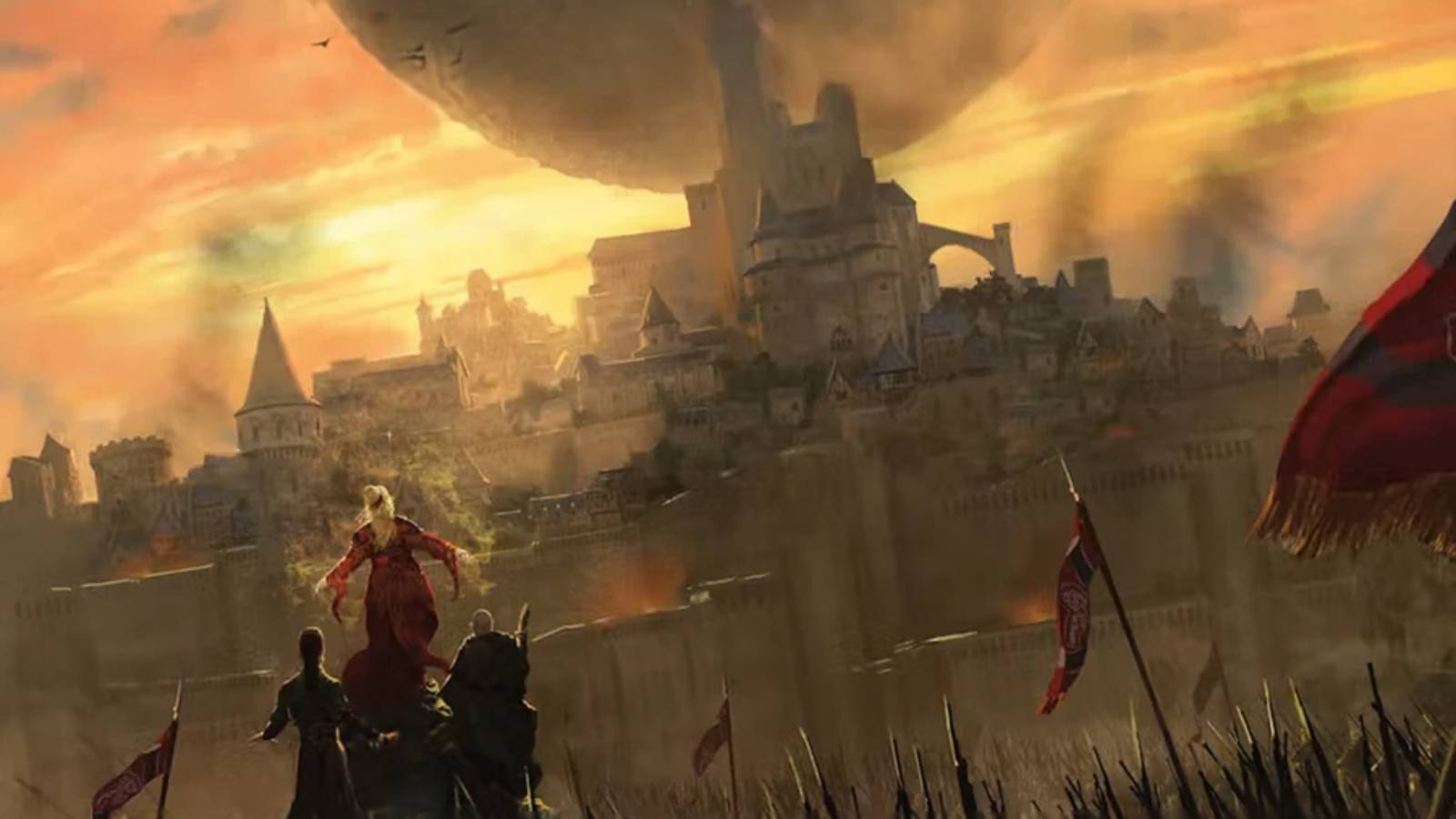
Finally, Steven Erikson’s 1999 work, Gardens of the Moon, began a ten-volume epic that eventually expanded into one of the largest universes in modern fantasy.
The lore of the Malazan Empire is revealed naturally through the text, with the series growing through the collaborative efforts of multiple authors.
These novels represent significant achievements in literary design, providing readers with immersive experiences that extend far beyond the pages of a single book.