
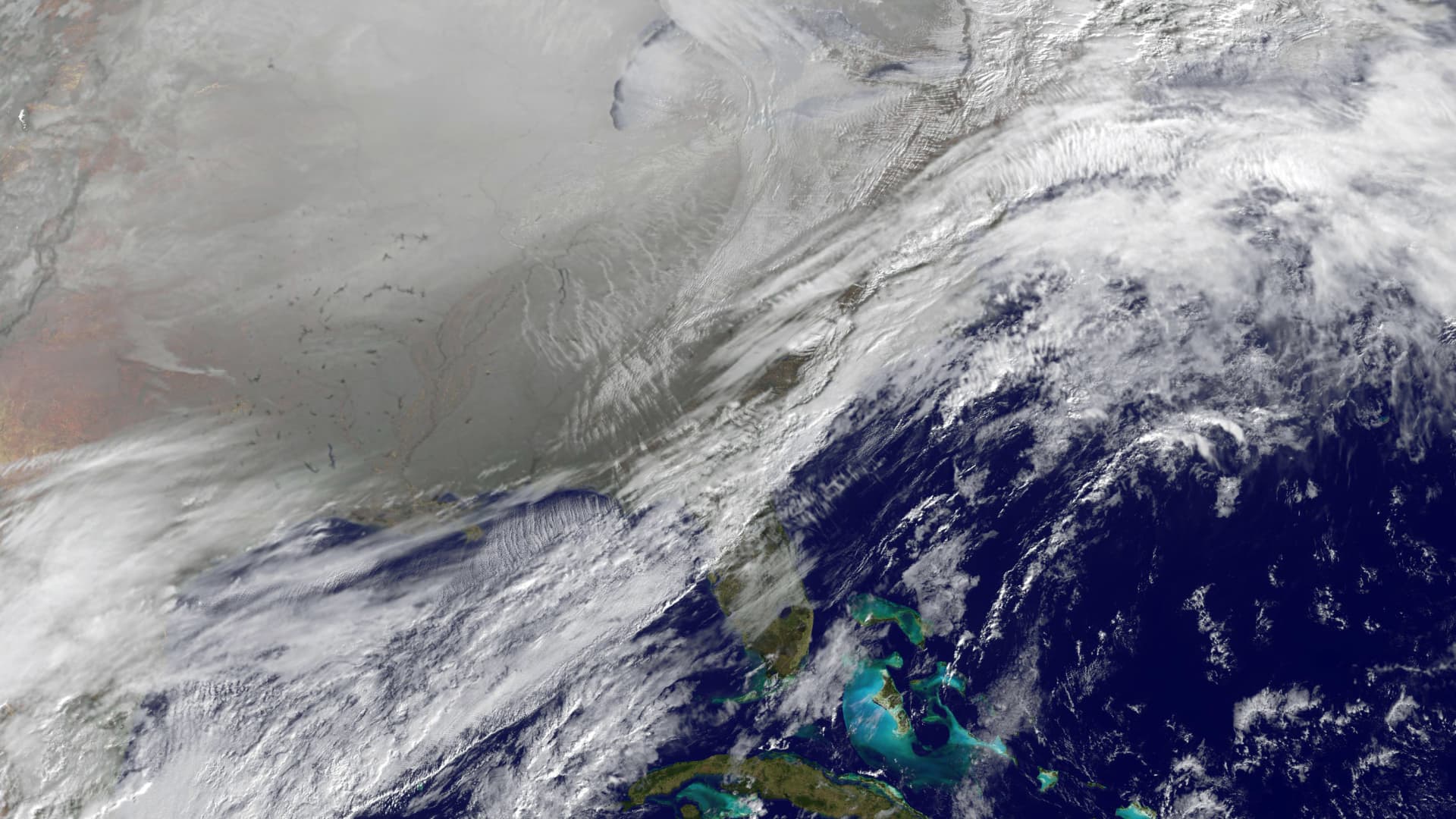
Europe faces a precarious energy situation as an early breakdown in the polar vortex threatens to intensify demand for natural gas.
The continent enters the winter season with storage levels currently at their lowest point in more than a decade, according to CNBC.
Meteorological conditions are expected to compound these existing supply vulnerabilities throughout the coming months.
Forecasters indicate that a combination of colder weather patterns and significantly low wind speeds will likely place an additional strain on the regional gas market.
The convergence of these environmental factors could force a rapid depletion of remaining reserves, leaving little margin for error as temperatures drop.
Energy analysts remain concerned about the stability of the current supply chain given the lack of backup power generation from renewable sources like wind.
The situation remains fluid as utility providers monitor consumption levels and potential price volatility in response to the tightening market conditions.
Market observers noted that the timing of this weather event is particularly problematic for energy security efforts across the region.
The reliance on stored gas is higher than usual, making the current inventory levels a critical metric for policymakers and industry leaders alike.
As the winter progresses, the ability of the European market to balance supply and demand will depend heavily on the severity of the cold snaps and the availability of alternative energy inputs.
Current data suggests that the combination of depleted stockpiles and unfavorable weather creates a high-risk environment for consumers and businesses.
The energy sector continues to track the polar vortex developments closely to determine the long-term impact on regional gas prices and availability.
Authorities are preparing for a challenging season as they attempt to manage the limited resources currently available to the market.
The fragility of the current storage situation underscores the challenges inherent in maintaining consistent energy supplies during extreme weather events.
Future updates on gas levels will be essential for understanding the full scope of the potential energy crisis as the winter season deepens.