
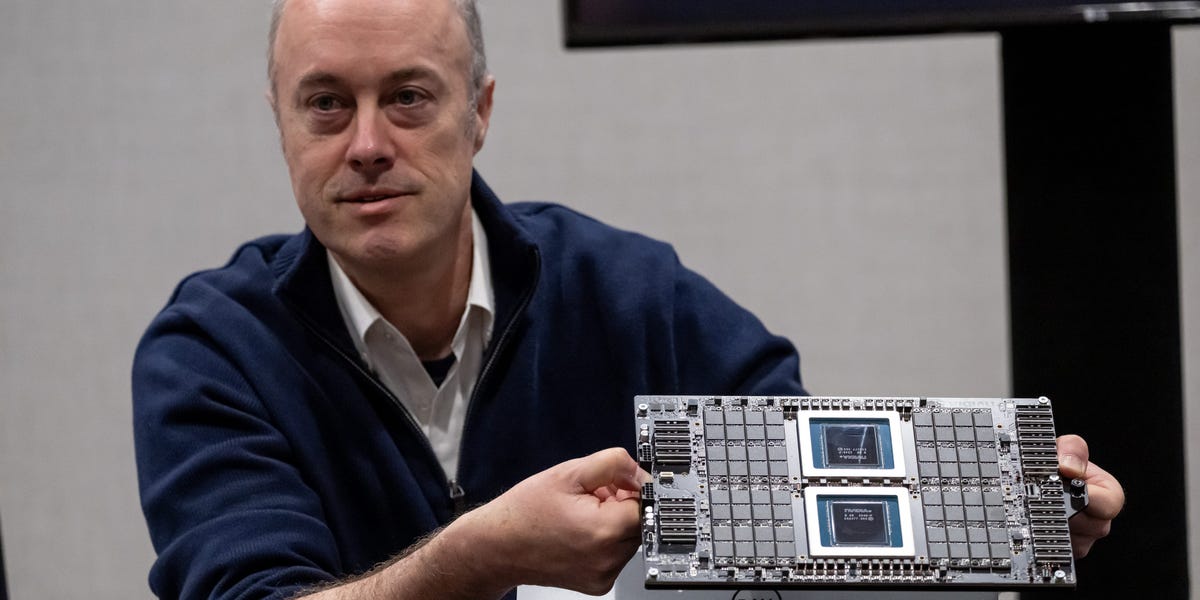
Nvidia is currently evaluating its long-term strategic trajectory as the technology sector considers the eventual transition of CEO Jensen Huang. Central to these discussions is the role of Ian Buck, a veteran executive who has been instrumental in developing the company’s most significant technological asset.
Buck is widely recognized for his pioneering work on CUDA, the parallel computing platform that transformed Nvidia from a graphics card manufacturer into a dominant force in artificial intelligence. Industry analysts suggest that “Ian Buck built Nvidia’s secret weapon”, establishing a software ecosystem that creates a formidable barrier to entry for potential competitors.
The importance of this software layer cannot be overstated as the company seeks to maintain its market lead. While hardware remains a core component of the business, the integration of CUDA ensures that developers remain tethered to the Nvidia environment. This lock-in effect is viewed as a primary reason for the company’s sustained dominance during the recent generative AI boom.
As speculation regarding the company’s future leadership continues to circulate, observers emphasize that the technical foundation laid by Buck serves as the bedrock for ongoing innovation. The reliance on this platform means that any future executive will need to prioritize the maintenance and expansion of the software stack to protect the firm’s valuation.
Current market reports indicate that the company is taking a deliberate approach to succession planning. By elevating leaders who understand the deep integration between hardware and software, the board aims to preserve the culture of innovation that defined Huang’s tenure. The strategic necessity of Buck’s contributions highlights why the company is focusing on internal talent who have shaped its core technological architecture.
Ultimately, the transition period will test whether Nvidia can continue its rapid growth without its founding leader. However, with the CUDA ecosystem firmly entrenched in data centers worldwide, the company is positioned to leverage its existing infrastructure to navigate upcoming industry challenges. Investors remain focused on how these internal strengths will translate into continued dominance in the competitive semiconductor landscape during the next decade.