
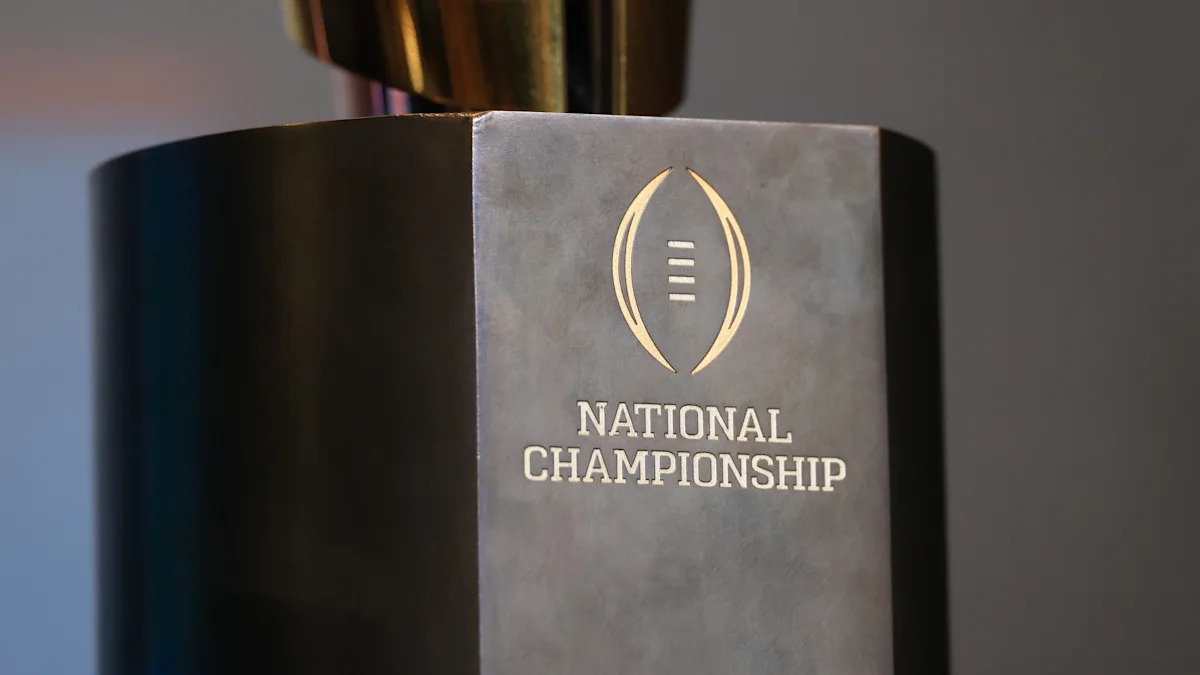
The landscape of college football is undergoing a significant transformation following the expansion of the College Football Playoff. As the sport moves toward a new postseason structure, prominent coaches are beginning to openly question the long-term viability and purpose of traditional conference championship games.
Missouri head coach Eli Drinkwitz has been among the most vocal critics regarding the current trajectory of the sport. He recently expressed concerns about the diminishing relevance of conference title matches, asking “why conferences exist if there won’t be title games” as the playoff format prioritizes national rankings over regional crowns.
Wake Forest head coach Dave Clawson and Washington State’s Jake Dickert have echoed similar sentiments during recent media availability. The coaches argue that as the playoff field grows to twelve or more teams, the added physical toll and risk of injury associated with an extra championship game may no longer justify the potential reward, especially if a team has already secured a high seed in the national bracket.
The shift in perspective stems from the reality that a conference title is no longer the sole gateway to the national championship. With at-large bids now available, some programs may view the conference championship as an unnecessary hurdle rather than a prestigious accomplishment. This debate highlights the tension between maintaining historical traditions and adapting to a professionalized, high-stakes playoff model.
Conference commissioners have yet to provide a definitive answer on the future of these games, as television contracts and revenue sharing agreements are deeply tied to the existing championship structure. However, the comments from Drinkwitz and his peers suggest that the coaching fraternity is increasingly skeptical about the sustainability of the current model.
As the sport continues to evolve, the conversation surrounding conference autonomy and the value of regional dominance will likely intensify. For now, coaches are putting the focus on how these postseason changes will impact player health and the overall integrity of the regular season schedule moving forward into the next decade of college football.