
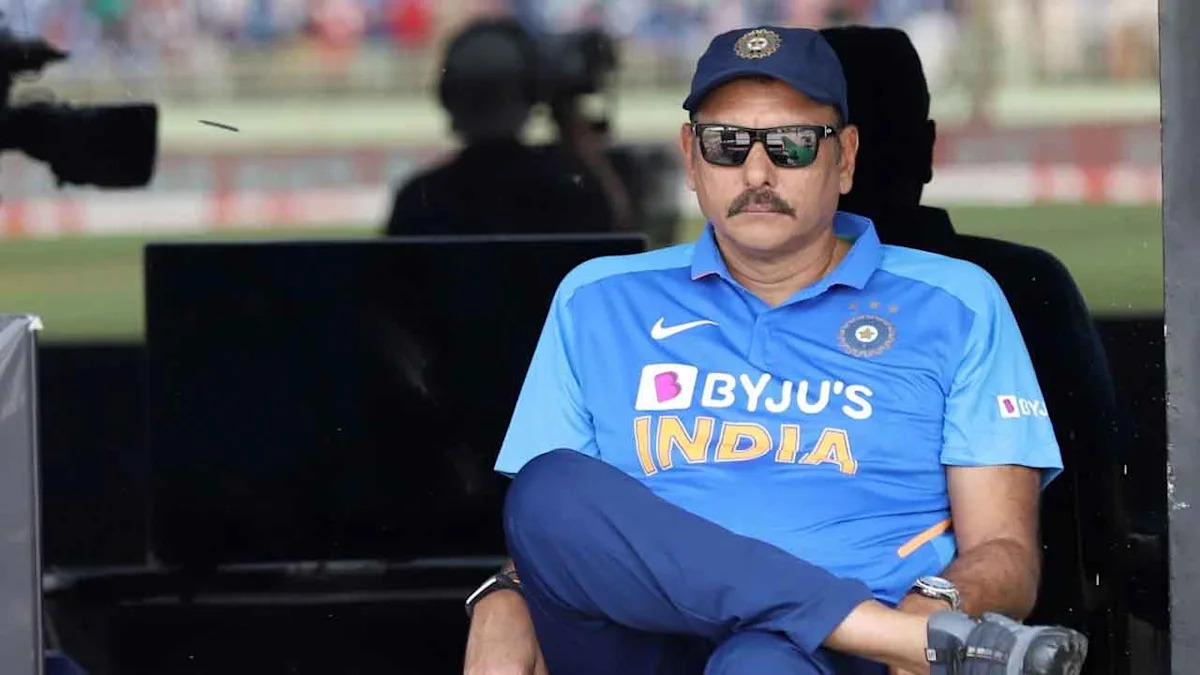
Former Indian cricket team head coach Ravi Shastri has recently offered a candid reflection on the immense psychological burden associated with leading the national side. In a series of interviews conducted over the last twenty-four hours, the former all-rounder described the role as a relentless test of endurance where expectations are perpetually high.
Shastri served as the head coach during a period of significant transition and success for Indian cricket. Despite the accolades, he emphasized that the position leaves very little room for error or personal relaxation. He famously remarked that “You always have the gun to your head” when managing a team that carries the hopes of over a billion fans. This metaphor highlights the unforgiving nature of the job, where every loss is scrutinized by the media and the public alike.
The former coach noted that the intensity of the role is unlike any other in the sporting world. He explained that the constant travel, training sessions, and tactical planning require a coach to remain in a state of hyper-vigilance. According to Shastri, the pressure is not just about winning matches but about managing the complex dynamics of a high-performance environment where every decision is dissected.
During his tenure, India achieved notable victories, including historic Test series wins in Australia. However, Shastri insisted that the outward appearance of success often masked the internal stress required to maintain such standards. He pointed out that the scrutiny is constant, leaving no space for an off-day.
Reflecting on his departure, Shastri expressed that while the role was demanding, it was also a privilege to guide some of the greatest talents in the history of the sport. He suggested that future coaches must possess a thick skin to navigate the unique challenges of the Indian cricketing landscape. His comments provide a rare glimpse into the life of a coach who spent years under the intense spotlight of international cricket, balancing tactical brilliance with the heavy weight of national expectation.