
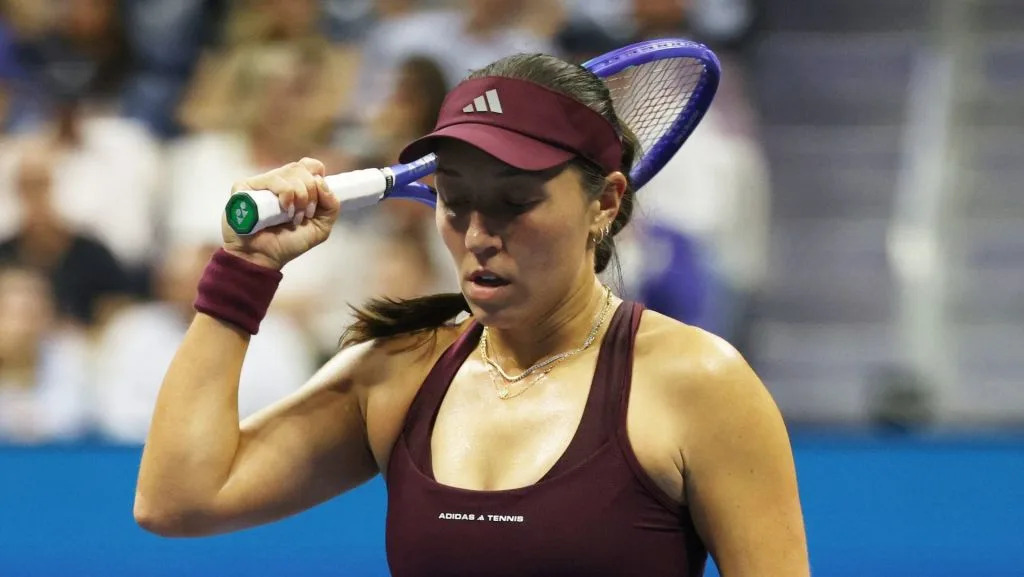
The Women’s Tennis Association has officially addressed a controversy involving top-ranked player Jessica Pegula after her private remarks were broadcast during a live stream. The incident occurred during a recent tournament broadcast, where an open microphone captured the athlete speaking candidly about tournament conditions and organizational logistics. The audio, which was never intended for public consumption, circulated quickly across social media platforms, prompting an immediate reaction from the governing body of women’s professional tennis.
In a statement released to address the breach of privacy, the organization confirmed it “takes full responsibility” for the technical oversight that led to the broadcast of the private conversation. The WTA noted that the incident was the result of a production error during the live feed transition. They further emphasized that they are currently reviewing their internal protocols to ensure that such a lapse in professional standards does not occur again during future broadcast events.
Jessica Pegula, who has been a prominent voice regarding player welfare and scheduling concerns on the tour, has not issued a personal statement regarding the content of the leaked audio. However, the incident has sparked broader discussions among fans and industry analysts regarding the balance between media access and the reasonable expectation of privacy for athletes in professional sporting environments.
The WTA has expressed its commitment to maintaining a respectful environment for all players participating in their sanctioned events. By acknowledging the error promptly, the organization hopes to mitigate any potential fallout between the league and its athletes. Industry experts suggest that the rapid response from the WTA leadership is part of a wider effort to stabilize player relations following a season marked by intense scheduling demands and various logistical challenges. As the tournament circuit continues, the focus remains on ensuring that production teams prioritize privacy during off-camera moments to protect the personal communications of all competing athletes throughout the remainder of the calendar year.