
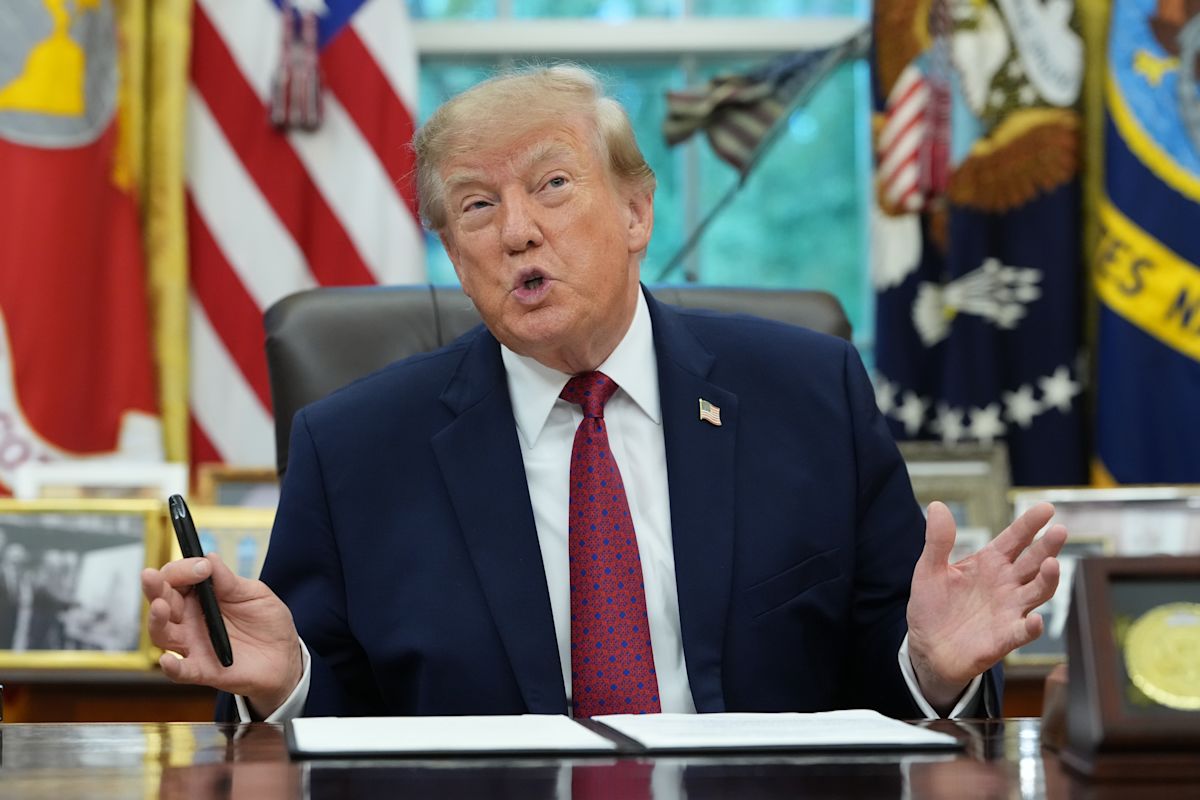
President Donald Trump has officially designated the Oval Office as a national monument, a move aimed at preserving the historic space for future generations. The executive order highlights the significance of the room as a symbol of American democracy and presidential authority.
While the designation secures the structural and historical integrity of the office, specific interior aesthetic choices made during the Trump administration are not included in the protection. Observers noted that “his gold decor isn’t protected” under the new federal mandate. This means that future presidents retain the authority to redecorate or alter the furniture and color schemes according to their personal preferences.
Legal experts suggest that the monument status applies primarily to the architectural footprint and the historical legacy of the room rather than the temporary furnishings. The White House has not yet released a detailed list of which specific items might fall under the purview of the National Park Service versus those that remain personal property of the sitting president.
Critics of the administration have questioned the timing of the order, suggesting it serves as a symbolic gesture to cement a specific legacy before the end of the term. Supporters, however, argue that the designation is a necessary step to prevent irreversible changes to the most recognizable room in the federal government.
The Department of the Interior is expected to release further guidance on what specific maintenance protocols will be required under the new designation. For now, the Oval Office remains a working space, though it now holds a higher legal status that limits significant renovations to its core structure. The distinction between the room’s permanent historical identity and the transient nature of presidential office decor remains a point of debate among historians and preservationists alike.
As the administration transitions, the focus will likely shift toward how this new monument status interacts with the standard procedures for preparing the West Wing for incoming leadership. The legacy of the office continues to evolve, balancing the weight of history with the personal touch of those who occupy the desk.