
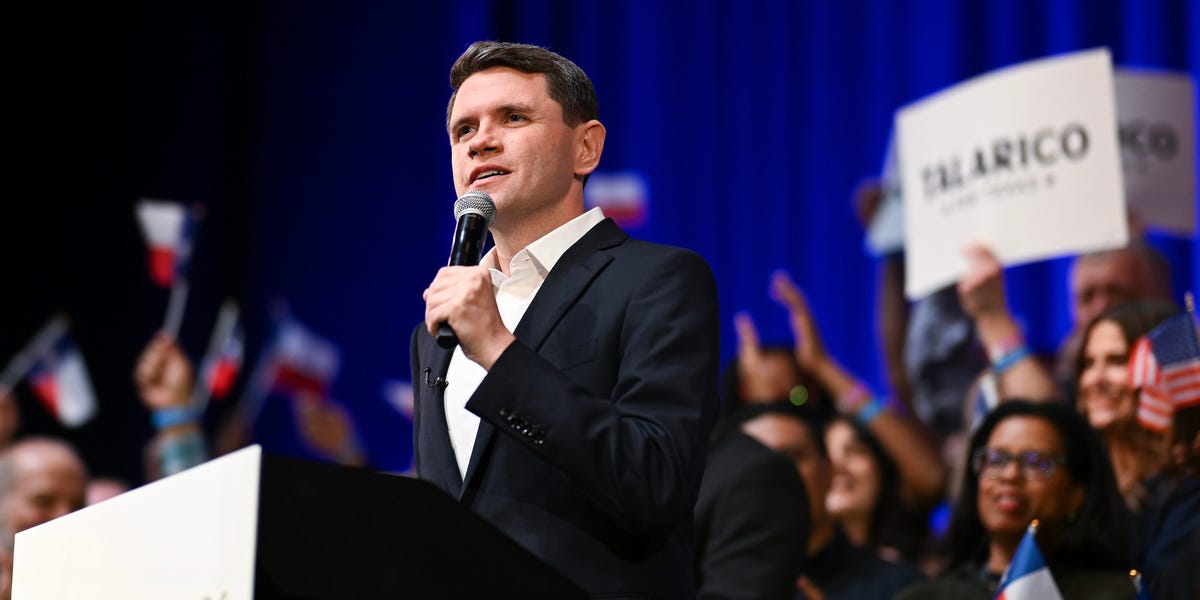
Texas State Representative James Talarico recently signaled an openness to bipartisan cooperation, specifically noting his intent to engage with tech entrepreneur Elon Musk. As political tensions continue to shape the legislative landscape in Austin, Talarico emphasized that he is prepared to “work with anyone” to advance the interests of his constituents and the state at large.
The comments come as Musk continues to expand his corporate footprint within Texas, moving major operations for companies like Tesla and SpaceX into the region. Talarico, a Democrat, suggested that despite ideological differences, the economic influence and infrastructure needs associated with Musk’s ventures necessitate a pragmatic approach to governance.
While Talarico has been a vocal critic of certain Republican-led policies in the state, his remarks suggest a pivot toward potential deal-making on matters involving economic development and technological innovation. The representative noted that he is not interested in partisan purity when the opportunity arises to improve state infrastructure or create jobs for Texans.
Observers of the Texas Legislature view this stance as a strategic attempt to bridge the divide between local political leaders and the growing influx of corporate entities relocating to the state. By extending an olive branch to Musk, Talarico is positioning himself as a legislator who prioritizes practical results over rigid political alignment.
The dialogue between state officials and private sector titans like Musk has become increasingly significant as Texas navigates rapid population growth and shifting industrial demands. Talarico’s willingness to engage suggests that the upcoming legislative session may feature unexpected alliances aimed at addressing these complex challenges.
Whether such cooperation will materialize into formal policy remains to be seen, but the overture marks a notable shift in tone for the representative. As the state prepares for its next session, the prospect of collaboration between traditional political figures and high-profile business leaders will likely remain a central point of discussion among policy analysts and the public alike.