
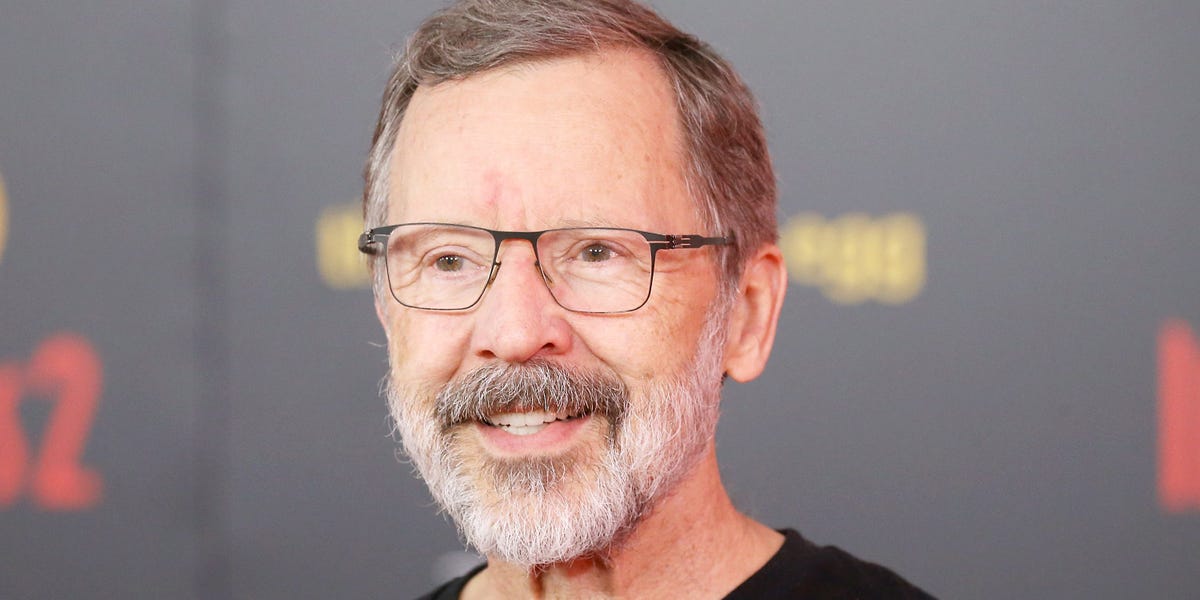
Ed Catmull, the 81-year-old cofounder of Pixar Animation Studios and a pioneer in computer graphics, has shared his perspective on how professionals should navigate the rapidly shifting landscape of artificial intelligence. In a recent discussion regarding the current technological evolution, Catmull emphasized that rather than fearing the disruption caused by new tools, individuals should focus their energy on active participation.
The veteran executive suggests that the most effective approach for workers is to “help build what comes next” as the industry undergoes a significant transformation. By positioning themselves at the forefront of development, professionals can influence the trajectory of these emerging technologies while securing their own relevance in a competitive market.
Catmull, who famously led Pixar through decades of technical innovation, views the current rise of generative AI as a continuation of the historical progression of digital tools. He encourages a mindset of curiosity and hands-on experimentation, noting that the history of animation and computing is defined by those who embraced uncertainty to create entirely new forms of expression.
The advice comes at a time when many creative industries are grappling with the existential implications of automated systems. While some practitioners have expressed concern over job displacement, Catmull advocates for a proactive stance. He believes that the human capacity for storytelling and artistic vision remains a critical component that will guide how these powerful new systems are ultimately deployed in professional settings.
By focusing on the creation of new workflows and systems, Catmull argues that workers can transform from passive observers into active architects of the digital future. His perspective highlights a long-term view of career management, suggesting that adaptability and the willingness to learn new technical frameworks are the most valuable assets for anyone working in a modern, technology-driven environment. As the software landscape evolves, the focus remains on leveraging human creativity to shape the tools of tomorrow rather than simply reacting to the immediate pressures of today’s market shifts.