
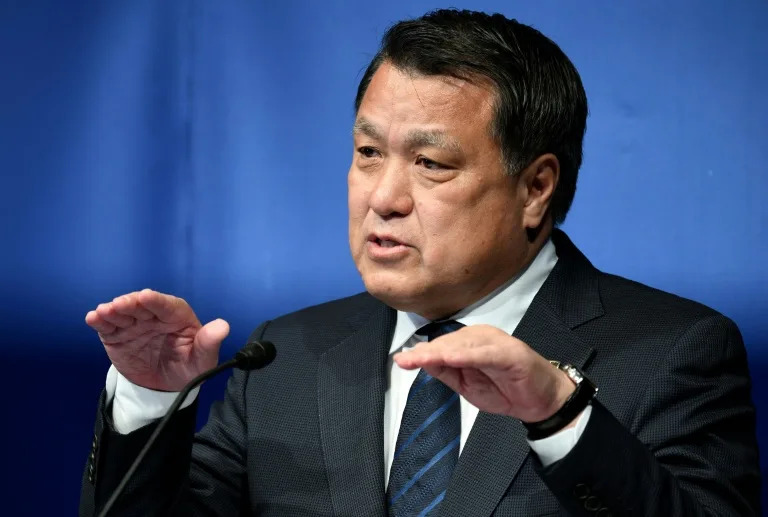
Kozo Tashima, the influential president of the Japan Football Association, has emerged as a vocal proponent for systemic reform within the world governing body of football. As FIFA continues to navigate the aftermath of historical governance challenges, Tashima is positioning himself as a key figure dedicated to restoring institutional trust.
The veteran administrator has emphasized that transparency and ethical oversight must become the cornerstones of all future operations. By championing these values, he aims to reshape how the organization interacts with member nations and global stakeholders alike.
Recent discussions surrounding his platform highlight a desire to move beyond past controversies. Tashima believes that a commitment to “integrity” is essential for the long-term sustainability of the sport. His approach involves implementing stricter compliance measures and ensuring that financial distributions are handled with absolute clarity to prevent corruption.
Observers note that Tashima’s influence extends well beyond the borders of Japan. As a member of the FIFA Council, he has utilized his position to advocate for broader representation and more rigorous auditing processes. This push for modernization is seen as a necessary step to align the governing body with contemporary standards of corporate governance and accountability.
Critics and supporters alike are watching closely to see how these proposals will be received by the wider FIFA membership. While the path toward meaningful reform is often arduous, Tashima remains steadfast in his belief that the organization can evolve. He argues that by prioritizing ethical conduct, FIFA can reclaim its standing as a reputable leader in international sports management.
The administrative shifts proposed by Tashima reflect a growing consensus among several Asian football federations that FIFA requires a fundamental cultural reset. Whether these efforts will translate into concrete policy changes remains a central question for the upcoming FIFA congress. For now, Tashima continues to leverage his diplomatic experience to build a coalition focused on transparency. His vision for the future suggests a departure from the opaque decision-making processes that have previously hampered the organization’s reputation on the world stage.