
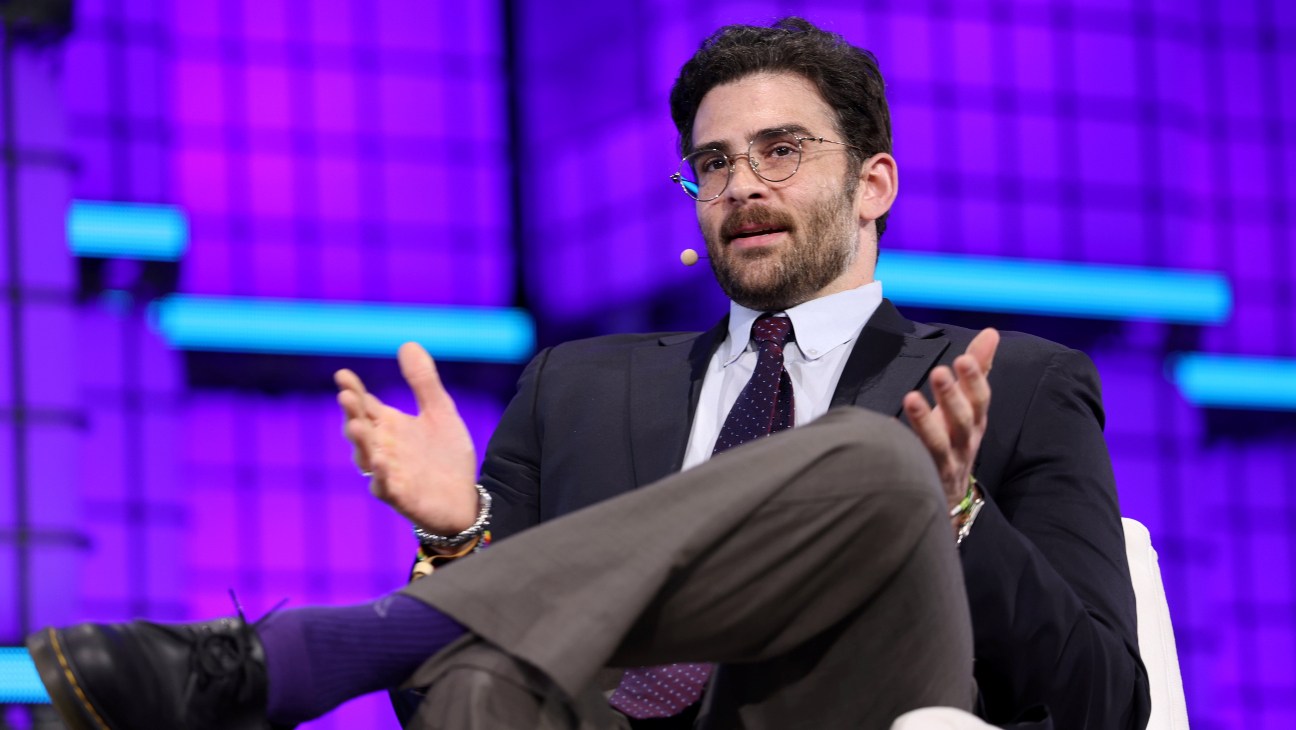
Twitch personality Hasan Piker has signaled his intent to pursue legal avenues against several conservative commentators following a series of public disputes. The broadcaster claims that these individuals have engaged in a campaign of defamation, spreading false information that has damaged his professional reputation and personal standing.
In a recent broadcast, Piker addressed the ongoing situation, noting that he has consulted with legal counsel regarding the specific statements made by his critics. He emphasized that while he is accustomed to intense political disagreement, the threshold of acceptable discourse has been crossed through the dissemination of provably false narratives. “Hasan Piker threatens further legal action against conservative pundits who defamed him”, according to recent reports covering the streamer’s public statements on the matter.
The controversy stems from allegations made by various pundits regarding Piker’s political commentary and his financial activities. Piker maintains that these accusations are not merely matters of opinion but are factual misrepresentations designed to incite harassment and undermine his credibility. He indicated that his legal team is currently reviewing various clips and social media posts to identify actionable claims that meet the legal standard for defamation.
This development marks a significant escalation in the ongoing tension between online political influencers and traditional media figures. Piker has often engaged in debates with right-leaning commentators, but this is one of the first instances where he has explicitly moved toward potential litigation as a primary response to such critiques. The pundits in question have not yet issued a formal response to the threat of a lawsuit, though many have continued to double down on their original claims across their respective platforms.
Legal experts suggest that defamation cases involving public figures are notoriously difficult to win due to the requirement of proving actual malice. However, Piker appears determined to hold these individuals accountable for what he characterizes as malicious falsehoods. As the situation develops, the broader implications for online discourse and the limits of political commentary remain a subject of intense debate among observers of digital media law.
–– –– –– ––
Note: Some parts of this article are AI-generated. While we refine all content, AI can make mistakes. Please verify critical information.