
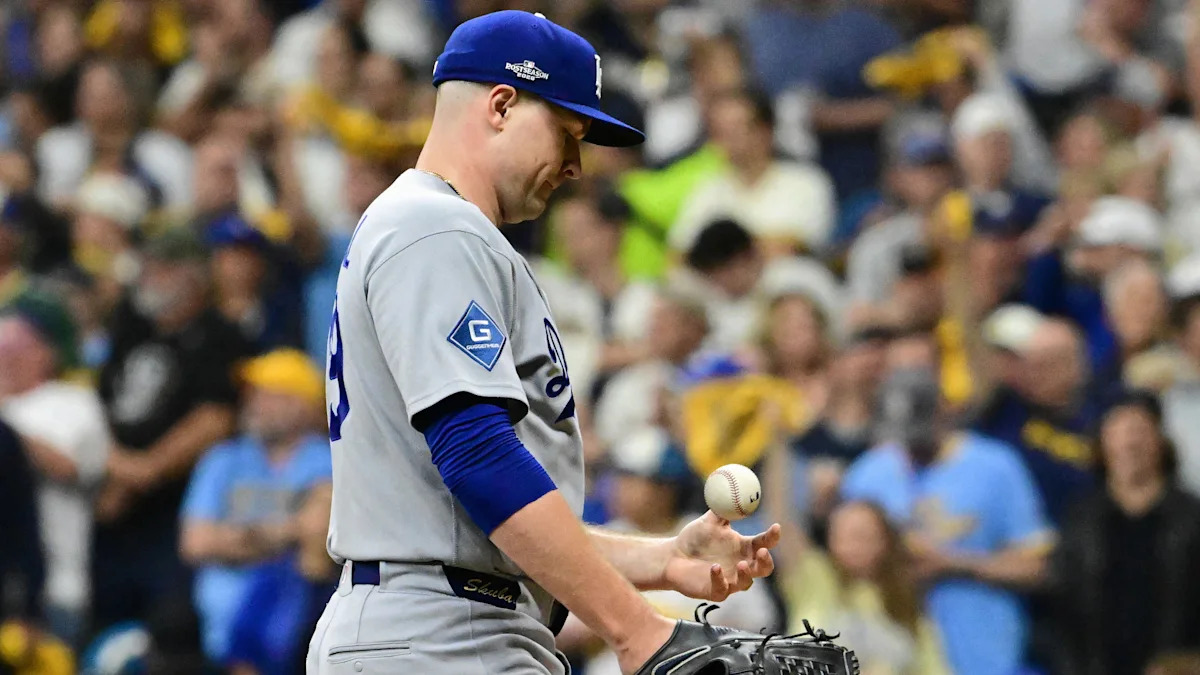
The baseball world is closely monitoring contract negotiations surrounding Detroit Tigers ace Tarik Skubal. As the reigning American League Cy Young Award winner, Skubal has positioned himself for a historic payday that could reset the financial landscape for elite starting pitchers.
Industry analysts suggest that “Skubal’s record deal could break White Sox free agency” by fundamentally altering the cost of acquisition for top-tier talent. The Chicago White Sox, currently in a period of organizational transition, face significant pressure to remain competitive while managing a payroll that must account for these rising market valuations.
The potential extension could establish a new benchmark for average annual value, surpassing previous high-water marks set by other premier arms. For teams like the White Sox, the ripple effects are immediate as they evaluate their long-term roster construction and potential pursuit of impact veterans. Financial flexibility remains a critical component of Chicago’s strategy as they navigate a challenging rebuilding phase.
Scouts and executives acknowledge that the sheer magnitude of a prospective Skubal deal serves as a barometer for the entire league. If the Tigers finalize a massive long-term commitment, it will likely influence how other organizations approach their own internal extensions and external free agent signings. The White Sox front office must now weigh the necessity of aggressive spending against the reality of a shifting economic environment.
While no formal agreement has been reached, the ongoing dialogue between the Tigers and Skubal’s representatives remains a focal point for the sport. Observers note that the outcome will dictate the leverage available to other players entering the market. For the White Sox, the path forward requires a delicate balance between fiscal responsibility and the demand for on-field improvement. As the winter meetings approach, the ripple effects of this potential contract will continue to dominate discussions across the league, forcing teams to recalibrate their budgetary expectations for the coming seasons.
–– –– –– ––
Note: Some parts of this article are AI-generated. While we refine all content, AI can make mistakes. Please verify critical information.