
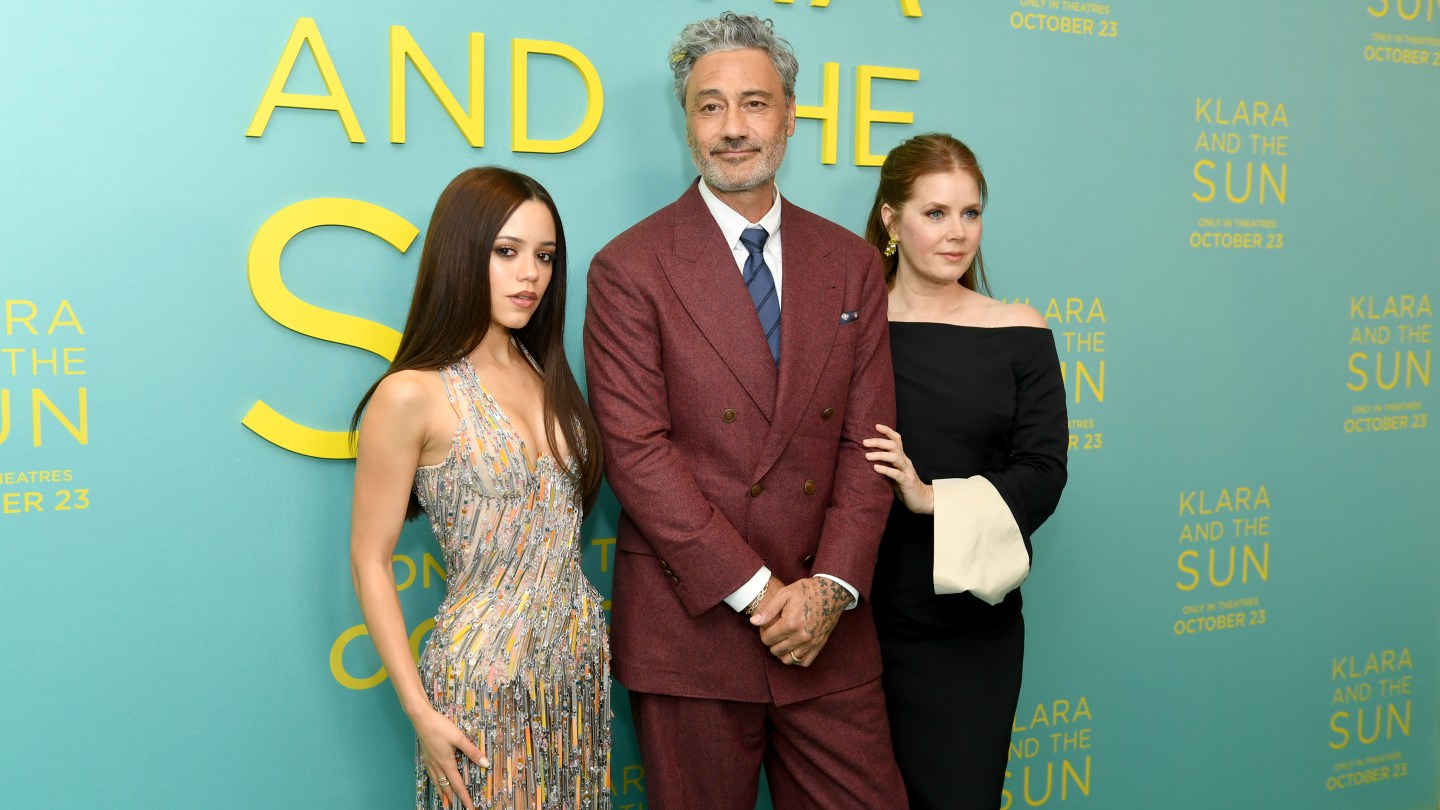
Filmmaker Taika Waititi has publicly addressed the critical reception surrounding his latest directorial project, Klara and the Sun. The film, which serves as an adaptation of Kazuo Ishiguro’s acclaimed novel, has faced a polarized response from professional reviewers since its recent debut.
During a recent press event, the director did not hold back when discussing the negative feedback directed toward the feature. Waititi characterized those who penned harsh critiques of his work as “sad lost souls” while speaking to members of the media regarding the production.
The film, which explores themes of artificial intelligence and humanity, has been a subject of intense debate among industry analysts. While some have praised the visual ambition of the project, others have questioned the narrative choices made during the adaptation process.
Waititi suggested that such negative perspectives often stem from a fundamental misunderstanding of the artistic intent behind the film. He emphasized that his primary focus remains on the emotional resonance of the story rather than the metrics used by professional critics to evaluate cinema.
This is not the first time the director has engaged with public criticism of his filmography. Throughout his career, Waititi has maintained a vocal stance regarding the relationship between creators and the critical establishment, often prioritizing his creative vision over external validation.
The production, which features a prominent cast, represents a significant departure from the director’s previous blockbuster work. As the film continues its theatrical run, industry observers are monitoring whether the director’s comments will influence audience turnout or further polarize the ongoing discourse surrounding the project.
Representatives for the studio have not provided additional comments regarding the director’s remarks. For now, the focus remains on the film’s performance at the box office and its reception among general audiences who may view the work through a different lens than professional reviewers.
The ongoing conversation highlights the tension between artistic interpretation and critical assessment in modern Hollywood. As the debate continues, the film serves as a case study for how high-profile adaptations are received in an era defined by instant digital feedback and social media commentary.
–– –– –– ––
Note: Some parts of this article are AI-generated. While we refine all content, AI can make mistakes. Please verify critical information.