
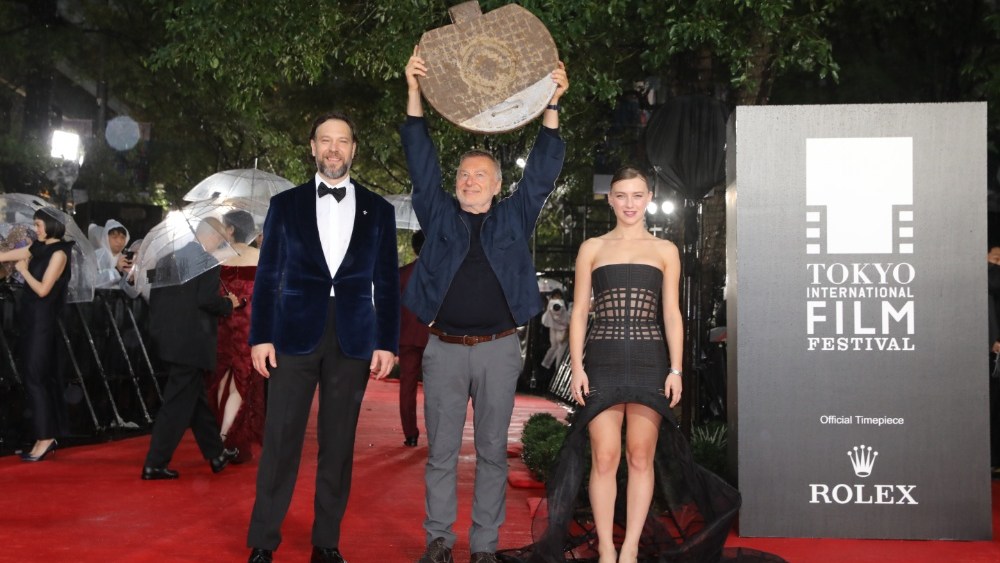
Acclaimed filmmaker Milcho Manchevski, widely recognized for his Oscar-nominated work Before the Rain, has returned to the spotlight at the Tokyo International Film Festival. The director is currently showcasing his latest feature, Sister Brother Manhole Cover, which competes for the festival’s top honors.
During recent discussions at the event, Manchevski opened up about the creative process behind his new project and his broader observations on the global film industry. He expressed deep concern regarding what he describes as the “death of beauty” in cinema, suggesting that modern storytelling is increasingly losing its aesthetic soul to commercial pressures.
The director highlighted how contemporary audiences and studios often prioritize formulaic narratives over the nuanced, visual poetry that defined earlier eras of independent filmmaking. Manchevski argued that this shift risks alienating viewers who seek profound emotional experiences rather than mere entertainment spectacles.
Beyond his artistic philosophy, Manchevski addressed the challenging environment for independent creators, particularly those who attempt to challenge institutional norms. He touched upon the difficulties of navigating industry politics, noting that whistleblowing often carries significant professional risks for those who dare to speak out against established power structures within the arts.
Sister Brother Manhole Cover serves as a testament to his commitment to maintaining a distinct voice despite these systemic headwinds. The film continues his tradition of exploring complex human relationships set against the backdrop of changing social landscapes.
The Tokyo International Film Festival has provided a platform for Manchevski to engage with critics and peers about these pressing issues. As the festival progresses, his presence remains a focal point for attendees interested in the intersection of auteur cinema and institutional accountability.
Observers noted that his commentary resonates with a wider movement of filmmakers advocating for greater creative autonomy. Whether his latest work will shift the tide remains to be seen, but the discourse he has sparked continues to influence conversations throughout the festival circuit.
–– –– –– ––
Note: Some parts of this article are AI-generated. While we refine all content, AI can make mistakes. Please verify critical information.