
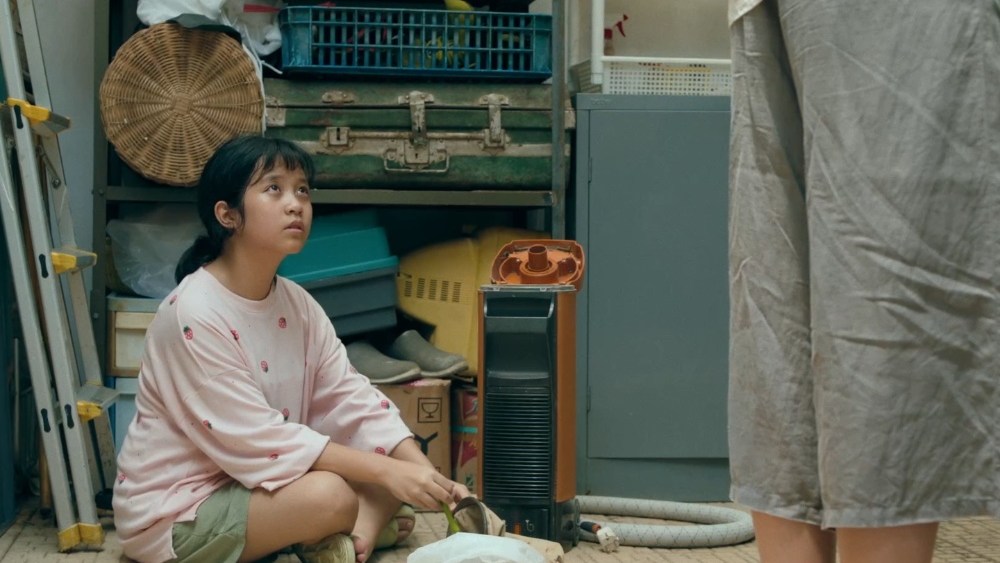
Director Ariani Darmawan has officially returned to the cinematic landscape with her latest project, a compelling Asian future drama titled Jani Be Good. The film, which recently garnered attention at the Tokyo International Film Festival, serves as a poignant exploration of the complex emotional terrain within a Chinese-Indonesian family.
The narrative focuses on the intricate layers of silence and the multifaceted nature of motherhood, themes that Darmawan weaves into the fabric of the story. Industry observers have noted that the project is effectively “marking Ariani Darmawan’s return” to the director’s chair after a significant hiatus. Her ability to translate personal and cultural struggles into a universal cinematic language remains a hallmark of her creative work.
Set against the backdrop of contemporary societal shifts, the film delves into the unspoken tensions that often define domestic life in Southeast Asian households. By examining the generational divide, the director provides a nuanced look at how heritage and individual identity intersect. Critics have praised the film for its deliberate pacing and its sensitive handling of maternal expectations, which the director “probes silence and motherhood in a Chinese-Indonesian family” with remarkable precision. This approach allows the characters to breathe, offering the audience a deeper connection to their internal conflicts.
The film’s reception in Tokyo highlights a growing interest in regional stories that address the complexities of modern family structures. As Darmawan navigates the challenges of representing these specific cultural intersections, she manages to maintain a neutral yet evocative tone that resonates with international audiences. The project stands as a testament to her enduring influence in the independent film circuit. By blending traditional family values with the pressures of the modern world, the story captures a unique moment in time. The production not only marks a professional milestone for the filmmaker but also offers a significant contribution to the broader conversation regarding the evolution of Asian cinema on the global stage. As the festival circuit continues, industry experts expect the film to spark further dialogue about the necessity of authentic representation in storytelling.
–– –– –– ––
Note: Some parts of this article are AI-generated. While we refine all content, AI can make mistakes. Please verify critical information.